Medical Courses After 12th Without NEET UG

Best Medical Courses After 12th Without NEET:

Your Pathway to a Fulfilling Healthcare Career

There are numerous paths within the medical field that offer promising opportunities for those who may not have cleared NEET or are seeking alternatives to MBBS/BDS. Your aspirations for a medical career are far from over, even without NEET. Read this blog to discover the best medical courses after 12th without NEET and ensure an incredible path to your healthcare goals.


### Why is the NEET Exam Not Required for Certain Medical Courses?

Although NEET is a mandatory admission requirement for UG and PG medical degrees, several courses don’t require it. Here are some circumstances when NEET isn’t required:

  1. Certain Colleges’ Policies: Some colleges don’t mandate the NEET exam for admission.
  2. Merit-Based Admission: Admission to some courses relies on merit and involves counseling sessions.

To pursue a potential opportunity in the medical field, pupils must carefully consider their long-term goals. Let’s explore the best medical courses after 12th without NEET for students aspiring to study in the medical field:

  •  Best Medical Courses After 12th Without NEET

  1. Bachelor of Homeopathic Medicine and Surgery (BHMS)
    The BHMS degree can lead to an intriguing pathway by familiarizing students with homeopathy principles. This course thoroughly blends traditional medicine knowledge with homeopathic healing. Throughout its duration, pupils delve into multiple homeopathic remedies and effective patient care analysis.

  2. Bachelor of Pharmacy (B.Pharm)
    A Bachelor’s in Pharmacy delves into the world of pharmaceutical expertise, covering pharmacology, pharmaceutical chemistry, and more. Pursuing this course allows pupils to promote public health and research about dispensing medications.

  3. Bachelor of Ayurvedic Medicine and Surgery (BAMS)
    BAMS blends Ayurvedic traditions with contemporary medical knowledge. Its curriculum comprises subjects like physiology, anatomy, pharmacology, pathology, and more, offering a compelling alternative to NEET.

  4. Bachelor of Siddha Medicine and Surgery (BSMS)
    Originating in ancient Tamil culture, Siddha Medicine emphasizes holistic well-being. Like the BAMS degree, it spans fields like physiology, toxicology, anatomy, and more.

  5. Bachelor of Science in Psychology (B.Sc. Psychology)
    This degree concentrates on the study of the mind, human behavior, mental illness, emotions, and related areas. It prepares students for both public and private sector jobs.

  6. Bachelor of Naturopathy and Yogic Sciences (BNYS)
    This course merges ancient healing traditions with modern medical knowledge, including yoga therapy, nutrition, acupuncture, and lifestyle management.

  7. Bachelor of Unani Medicine and Surgery (BUMS)
    Unani Medicine, based on Greek philosophy, balances bodily humors for holistic well-being. Its curriculum includes pharmacology, physiology, surgery, and Unani pharmacotherapy.

  8. Bachelor of Physiotherapy (BPT)
    This degree trains professionals to provide therapeutic and preventive services for disabilities. The curriculum includes practical training alongside academic knowledge.

  9. Bachelor of Veterinary Science and Animal Husbandry (B.V.Sc. & A.H.)
    Focused on animal health, disease prevention, and welfare, this degree paves the pathway to research, animal care, and public health.

  10. Paramedical Courses
    These courses equip students with specialized skills in diagnostics, patient care, and therapeutics, covering radiology, physiotherapy, medical laboratory technology, and more.

  11. Bachelor of Science (B.Sc.) Courses
    Bachelor’s degrees in science open up a variety of pathways into specialized scientific fields, laying a solid groundwork in scientific principles. Some sought-after B.Sc. courses include:

Respiratory Care Technology: Analyses, treatment, and diagnostic checks in respiratory care.
Blood Transfusion Technology: Blood testing and transfusion methods.
Cardiovascular Technologies: Diagnosing and monitoring heart and circulatory-related diseases.
Operation Theatre and Anesthesia Technologies: Managing patient records and disinfecting surgical equipment.
Nuclear Medicine and Radiotherapy Technologies: Disease diagnosis using radioactive materials.
Emergency and Critical Care Technologies: Intensive care equipment and procedures.
Endoscopy & Gastrointestinal Imaging Technologies: Techniques for capturing body images.
Perfusion Technology: Study of pathology, physiology, and heart-lung support systems.
Radiology & Imaging Technology: Radiography and internal body imaging methods.


  •  Advantages of Pursuing Medical Courses Without NEET

  1. Diverse Career Options
    Earning medical courses that don’t require NEET widens your career possibilities and introduces you to paths better aligned with your professional goals.

2. Flexible Entry Requirements

Alternative medical courses often have more flexible entry criteria, benefiting students who didn’t score well in NEET or those seeking unconventional routes.

  1. Specialized Training
    Courses without NEET usually offer training in specific healthcare fields, helping you develop expertise in your chosen area and excel in the healthcare profession.

High-Salary Career Options in Medicine Without NEET

Some of the best medical courses without NEET guarantee decent career choices. Here’s a detailed overview of some high-paying options:

  1. Clinical Research: Determines the safety and effectiveness of medicines, medical devices, diagnostic products, and treatment methods.
  2. Food Technology/Food Science: Deals with the study of food make-up, preservation, processing, packaging, and distribution.
  3. Pharmacy: Offers immense job opportunities in the pharmaceutical sector.
  4. Life Sciences: In-depth knowledge in botany, biology, physiology, and more, leading to in-demand careers.
  5. Nursing: Involves patient care in general wards and operation theatres.
  6. Medical Laboratory Technology: Prevention, diagnosis, and clinical laboratory tests.
  7. Cardiac Care Technology: Diagnosis and treatment of cardiac and peripheral vascular conditions.
  8. Nutritionist: Helps individuals with weight management, stress, and panic.
  9. Dialysis Technology: Treatment of kidney diseases with great earning potential.

 Job Profiles in Medical Without NEET

Studying medical courses that don’t require NEET can help you explore multiple professions. Some of these include:

  1. Occupational Therapist: Assists people in overcoming physical or mental illness.
  2. Microbiologist: Studies materials in soil, water, food, plants, etc.
  3. Biomedical Engineer: Combines medicine with technology to understand diseases and find solutions.
  4. Biotechnologist: Invents products and processes in fields like pharma, agriculture, genomics, and chemistry.
  5. Respiratory Therapist: Provides care for patients with breathing issues and trauma.
  6. Psychologist: Helps people cope with life and mental health issues using therapeutic methods.

Conclusion

Pursuing a career in the medical field doesn’t always require clearing the NEET exam. A variety of enriching medical courses await after the 12th grade, independent of NEET. These courses provide a spectrum of prospects for those dedicated to healthcare. Selecting the best medical courses after 12th without NEET, tailored to your passions and abilities, marks the start of your fulfilling medical career journey.

चुनाव के दौरान उंगली पर लगाई जाने वाली अमिट स्याही कौन बनाता है?

चुनाव आयोग लोकसभा चुनाव की तैयारी में जुटा है। तारीखों का ऐलान भी हो चुका है। वोटर लिस्ट से लेकर ईवीएम तक सब कुछ फाइनल किया जा रहा है। लेकिन इन सबके बीच क्या आपने कभी सोचा है कि वोट करते समय आपकी उंगली पर लगने वाली स्याही कहां से आती है? वह स्याही कौन बनाता है? उस स्याही के एक डिब्बे की कीमत क्या है? तो आइये आज जानते हैं।

1962 के लोकसभा चुनावों में, पारदर्शिता सुनिश्चित करने और फर्जी मतदान को रोकने के लिए पहली बार उंगली पर स्याही की शुरुआत की गई थी। तब से हर लोकसभा और विधानसभा चुनाव में इस अलग स्याही का इस्तेमाल किया जाता रहा है। जब पहली बार स्याही का उपयोग किया गया था, तो चुनाव आयोग का मानना था कि स्याही लगाने से दोबारा मतदान नहीं होगा और फर्जी मतदान पर रोक लगेगी।

तब से आज तक केवल एक ही कंपनी स्याही का उत्पादन कर रही है। इस कंपनी का नाम मैसूर पेंट्स एंड वार्निश लिमिटेड (MPVL) है। यह कर्नाटक सरकार की कंपनी है और इसकी शुरुआत 1937 में हुई थी। एमपीवीएल की स्थापना कृष्ण राजा वाडियार ने की थी। शुरुआत में इस कंपनी का नाम मैसूर लॉक फैक्ट्री था। 1947 में जब देश आज़ाद हुआ, तो सरकार ने कंपनी पर कब्ज़ा कर लिया और इसका नाम बदलकर मैसूर लॉक एंड पेंट्स लिमिटेड रख दिया।


1989 में कंपनी ने वार्निश बनाना शुरू किया और उस समय अपना नाम भी बदल लिया। एमपीवीएल का योगदान भारत की चुनावी यात्रा में बेहद महत्वपूर्ण है।

70 के दशक से लेकर आज तक सिर्फ एक ही कंपनी को चुनाव में इस्तेमाल होने वाली स्याही बनाने की इजाजत है। स्याही का फॉर्मूला भी एक रहस्य है और कंपनी इस फॉर्मूले को किसी और के साथ साझा नहीं करती है। एमपीवीएल राष्ट्रीय भौतिक प्रयोगशाला की मदद से स्याही तैयार करता है।


मैसूर पेंट्स एंड वार्निश लिमिटेड (एमपीवीएल) इस स्याही को न केवल भारत बल्कि दुनिया के 25 अन्य देशों में भी निर्यात करता है। एमपीवीएल द्वारा उत्पादित स्याही की एक बोतल से कम से कम 700 उंगलियों पर स्याही लगाई जा सकती है। प्रत्येक शीशी में 10 मिलीलीटर स्याही होती है।


फाइनेंशियल एक्सप्रेस की रिपोर्ट के मुताबिक, स्याही की 10 मिलीलीटर की बोतल की कीमत लगभग 127 रुपये है। इस लिहाज से 1 लीटर की कीमत करीब 12,700 रुपये होगी। अगर एक एमएल यानी एक बूंद की बात करें तो इसकी कीमत लगभग 12.7 रुपये है। भारत निर्वाचन आयोग ने 2024 के लोकसभा चुनाव के लिए एमपीवीएल को 26 लाख से अधिक स्याही की शीशियां बनाने की जिम्मेदारी सौंपी है और इस स्याही का उत्पादन भी अंतिम चरण में है।


gcas – portal


Gujarat Common Admission Services


Public Universities Of Gujarat

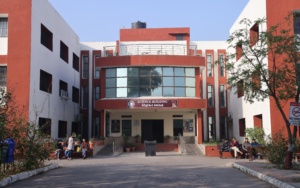
  • VEER NARMAD SOUTH GUJARAT UNIVERSITY


Over the span of six decades, the university has remained steadfast in upholding rigorous standards in higher education, concurrently promoting scholarly research, and expanding its educational outreach to all segments of society, including tribal communities.

The university’s institutional framework comprises 11 faculties, housing 27 Post Graduate Departments located on the campus, offering 95 academic programs and over 600 certificate courses, each enriched with various areas of specialization. Additionally, VNSGU administers 19 doctoral programs, providing a platform for advanced research expertise.

The university also supervises 56 PG Teaching Centers and 5 Research Centers strategically spread across the South Gujarat region, with more than 5 Lakh students participating in university examinations annually.

VNSGU actively engages in entrepreneurship and innovation through its involvement in the Startup and Innovation Project, boasting 3 granted patents and 8 others registered.

The university proactively implemented the National Education Policy (NEP) 2020, achieving the distinction of being India’s foremost university for registering students and uploading credits on the Academic Bank of Credit (ABC) portal.

The university has also initiated the appointment of “Professors of Practice” within the academic landscape. This accolade symbolizes the university’s enduring and unwavering commitment to the pursuit of academic distinction.

Contact us

Website :- https://www.vnsgu.ac.in/

+91 (0261) 2388888

info@vnsgu.ac.in

+91 (0261) 2388888


  • Gujarat University

  • Hemchandracharya North Gujarat University, Patan

Krantiguru shyamji krishn verma kachchh university

Maharaja Krishnakumarsinhji Bhavnagar University

Sardar Patel University

Saurashtra University

Shree Somnath Sanskrit University, Veraval

Shri Govind Guru university


The Maharaja Sayajirao University of Baroda


Indian Institute of Teacher Education


Dr. Babasaheb ambedkar open university

Bhakta Kavi Narsinh Mehta University

Children’s Research University


  • Join the community of achievers


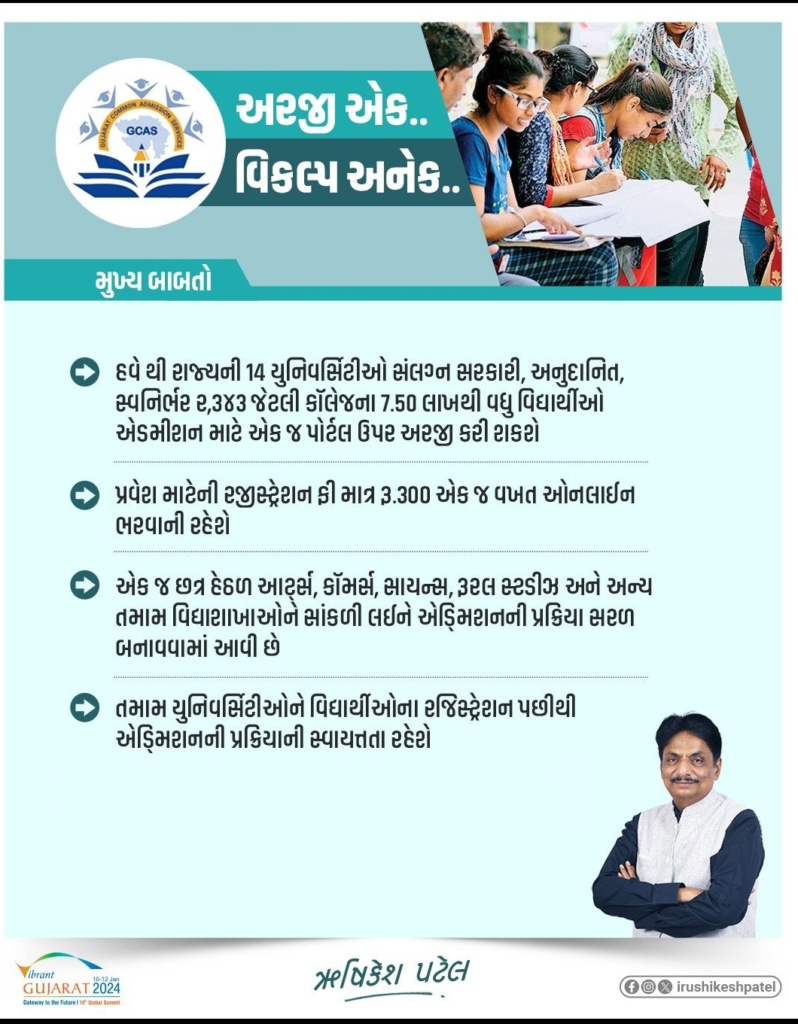
State Government

No. University Place
1 Gujarat University Ahmedabad
2 Sardar Patel University Vallabh Vidyanagar
3 Veer Narmad South Gujarat University Surat
4 The Maharaja Sayajirao University (M.S.University) Baroda
5 Saurashtra University Rajkot
6 Bhavnagar University Bhavnagar
7 Hemchandracharya North Gujarat University (NGU) Patan
8 Krantiguru Shyamji Krishna Verma Kachchh University Kachchh
9 Dr. Babasaheb Ambedkar Open University (BAOU) Ahmedabad
10 Shree Somnath Sanskrit University Veraval
11 Children’s University Gujarat Gandhinagar
12 Children’s Research University Gandhinagar
13  Indian Institute of Teacher Education Gandhinagar
14  Shri Govind Guru University Godhra


About Us


The National Education Policy-2020 (NEP-2020) plays a crucial role in endorsing the integration of technology into the education framework. Aligned with the Digital India initiative, the Department of Education, Government of Gujarat has promoted the incorporation of Information Technology in the education sector.


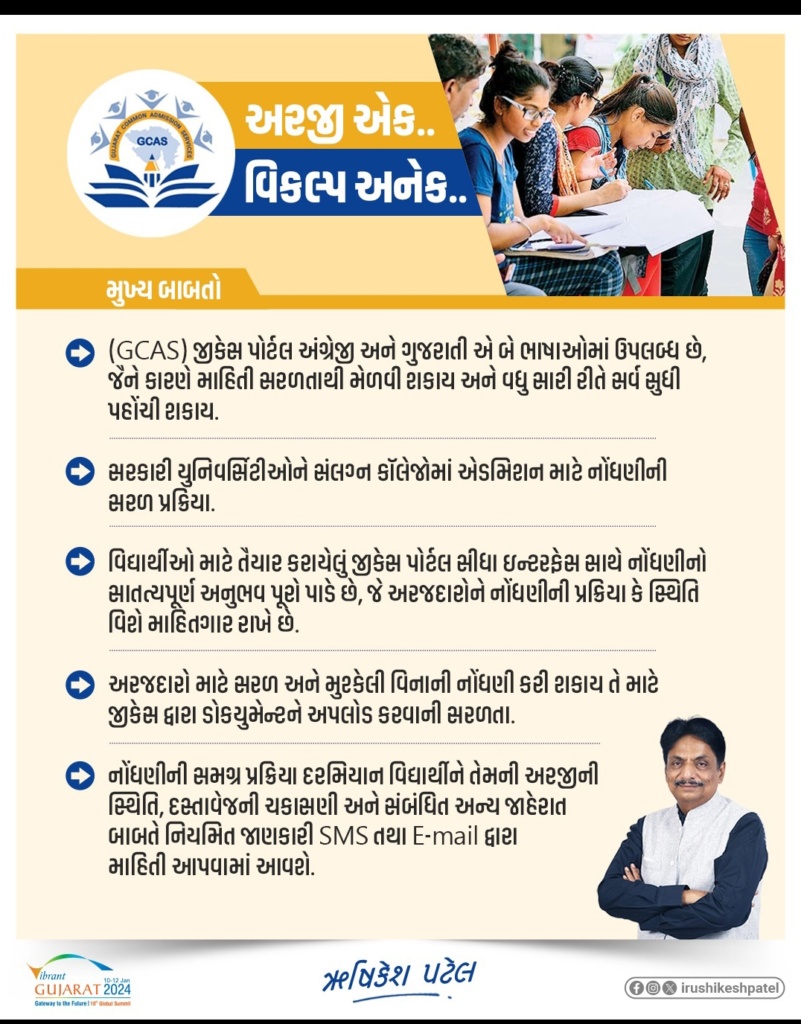
The Gujarat Common Admission Service (GCAS) is a visionary portal launched by the Department of Education, Government of Gujarat to streamline the admission registration process across various disciplines offered by the Government Universities within the state of Gujarat. This portal serves as the State Government’s Common Admission portal encompassing all the disciplines such as arts, commerce, science, rural studies, and others under a single umbrella.


GCAS is a one-stop solution for all Government Universities, Higher Education Institutes, Government Colleges, Grant-In-Aid Colleges, and SFIs affiliated with Public Universities across the state of Gujarat. This comprehensive portal is strategically crafted to simplify the admission procedure, consolidating all requisite information and services to facilitate a seamless experience for the students of Gujarat.


Key Features

Bilingual Interface: The CGAS portal is available in two languages i.e. English & Gujarati for easy information access and better reachability.

Simplified Registration: Streamlined application process for registration into multiple government universities through a unified and user-friendly interface.

User-Friendly Interface: Tailored for students, the GCAS portal provides a seamless application experience with a straightforward interface, keeping the applicants updated about the application status.

Effortless Document Management: Easy management and uploading of documents through GCAS, ensuring a smooth and hassle-free submission process for applicants.

Real-time Notifications: Keeping the candidate well-informed throughout the entire process by providing regular updates regarding their application status, document verification and other information announcements.

Accessible Help Centres: Dedicated help centres at every State Public Universities and over 480 affiliated colleges across Gujarat, supporting students in experiencing hassle-free application process from even the most remote locations.

Advantages:


It will be easier for the students to get information related to the courses available, as well as the information of the Colleges/ Universities offering the said courses.

With GCAS, the candidate can apply for unlimited Universities, Colleges, and Courses with a one-time fee payment.

A significant reduction in the time & effort required for admission into diverse courses within the state.

A unified time frame for students to apply for admission into any University or Course across the state.

The Candidates will no longer be required to apply to at each University/ College separately. Now, they can apply to multiple Universities through the Common admission process for their respective courses.


How to manage stress in UPSC preparation?


Here are expert-recommended strategies to effectively manage the stress of clearing the UPSC exam and maximise your chances of success.

Clearing the Union Public Service Commission, UPSC exam is a challenging feat that requires dedication, perseverance, and a strong mental resolve. As one of the toughest competitive exams in India, the immense competition, vast syllabus, and rigorous preparation required for the UPSC exam can take a toll on the mental and emotional well-being of candidates.


However, with the right coping mechanisms and effective strategies, you can navigate through the UPSC journey with confidence and increase your chances of success.

The article offers valuable insights from Sriram Srirangam, Founder & Director of Sriram’s IAS, on effectively managing stress while preparing for the UPSC examination.

Books and alarm clock on wooden table. Education concept.

  1. UNDERSTAND THE EXAM

The first step to coping with the stress of clearing UPSC is to have a thorough understanding of the exam. Familiarize yourself with the exam pattern, syllabus, and marking scheme. It will help you create a structured study plan and alleviate uncertainties about the exam.


  1. DEVELOP A STUDY SCHEDULE

Time management is crucial when preparing for UPSC. So, create a realistic study schedule that allows you to take regular breaks and leisure activities. You should also break down the syllabus into smaller, manageable chunks, and allocate specific time slots for each topic to stay organised, reduce stress, and maintain a healthy work-life balance.

  1. STAY POSITIVE AND MOTIVATED

Maintaining a positive mindset is essential throughout your UPSC journey. Aspirants must celebrate small victories, focus on their strengths, and learn from their failures. Furthermore, they should surround themselves with positive affirmations and motivational resources like books, videos, and success stories to keep their spirits high.


  1. JOIN A STUDY GROUP OR COACHING CENTER

It would be great if candidates joined a study group or enrolled in a coaching centre that can provide them with a structured learning environment and the opportunity to interact with fellow aspirants. Collaborating with like-minded individuals, sharing knowledge, and discussing questions can enhance their understanding and reduce the feeling of isolation.

5. TAKE MOCK TESTS AND ANALYSE PERFORMANCE

Regularly taking mock tests is a vital part of the UPSC examination preparation. It helps you assess your progress, identify areas of improvement, and familiarise yourself with the exam format. So, every aspirant should analyze their performance in mock tests, work on their weaknesses, and develop effective test-taking strategies accordingly.

6. STAY UPDATED WITH CURRENT AFFAIRS

UPSC places significant emphasis on current affairs. Stay updated with the latest national and international news through newspapers, magazines, online portals, and television. Make notes of important events, government policies, and socio-economic issues to incorporate them into your preparation.

7. FOCUS ON CONCEPTUAL CLARITY

Understanding concepts thoroughly is more important than rote learning. UPSC tests your analytical and problem-solving abilities rather than mere memorization. Hence, focus on building a strong foundation by studying from reliable sources, referring to standard textbooks, and engaging in critical thinking.

8. REVISION AND TIME MANAGEMENT IN THE EXAM

In the final days leading up to the exam, you should prioritise revision over new topics. Revise key concepts, practice answer writing, and solve previous years’ question papers. Develop time management skills to ensure that you complete the exam within the allocated time frame.

9. SEEK SUPPORT FROM FAMILY AND FRIENDS

Surround yourself with a supportive network of family and friends who understand your aspirations and challenges. Share your concerns, discuss your progress, and seek guidance when needed. Their encouragement and emotional support will help you stay motivated during challenging times.

10. PRACTICE MINDFULNESS AND RELAXATION TECHNIQUES

Lastly, stress can take a toll on your mental and physical well-being. Practising mindfulness techniques such as meditation, deep breathing exercises, and yoga will help you calm your mind and relax your body. Besides, regular exercise, adequate sleep, and a balanced diet also play a vital role in reducing stress levels.


Preparing for the UPSC Civil Services exam can be a challenging and stressful experience. Here are some tips to help you manage and handle the stress associated with the exam:

  1. Plan and organize: Create a study plan and schedule that allows for regular breaks and leisure time. Breaking down your syllabus into manageable chunks will help you stay focused and avoid overwhelming yourself.


  1. Set realistic goals: Set achievable goals for each study session and focus on completing them. Celebrate small victories along the way to boost your confidence and motivation.


  1. Maintain a healthy lifestyle: Prioritize your physical and mental well-being. Get enough sleep, eat a balanced diet, and engage in regular exercise or physical activities. Avoid excessive caffeine or energy drinks as they can increase anxiety levels.


  1. Practice mindfulness and relaxation techniques: Incorporate meditation, deep breathing exercises, or yoga into your routine to reduce stress and improve concentration. These techniques can help you stay calm and centered during the exam preparation phase.


  1. Seek social support: Surround yourself with supportive family members, friends, or study groups who understand the challenges of the exam. Sharing your concerns and discussing difficult topics can provide emotional support and fresh perspectives.


  1. Take regular breaks: Allow yourself time to relax and rejuvenate. Engage in hobbies, spend time with loved ones, or pursue activities that bring you joy. Taking breaks will help prevent burnout and maintain your overall well-being.


  1. Manage time effectively: Time management is crucial during exam preparation. Break down your study material into time slots, prioritize topics, and allocate sufficient time to each subject. Avoid wasting time on non-productive activities or excessive social media usage.


  1. Stay positive and motivated: Maintain a positive mindset and believe in your abilities. Surround yourself with positive affirmations, inspirational quotes, or success stories of UPSC to stay motivated. Visualize your success and focus on the long-term goal.


  1. Seek guidance: Reach out to mentors, experienced candidates, or coaching institutes for guidance and support. They can provide valuable insights, exam strategies, and help you clarify doubts, reducing your anxiety.


  1. Take care of yourself emotionally: Understand that it’s normal to experience stress and occasional setbacks. Be kind to yourself, practice self-compassion, and avoid comparing yourself to others. Remember that your worth is not solely defined by your exam performance.

Preparing for the UPSC Civil Services exam can be a challenging and stressful experience. However, there are several strategies you can adopt to effectively manage and reduce exam stress. Here are some tips:

  1. Plan and organize: Create a study schedule that allows for dedicated time for each subject and topic. Breaking down your study plan into manageable chunks can help you feel more in control and reduce stress.


  1. Practice time management: Allocate specific time slots for studying, revising, and taking breaks. This approach will help you maintain a balanced routine and avoid burnout.


  1. Maintain a healthy lifestyle: Ensure you are getting enough sleep, eating nutritious meals, and exercising regularly. Taking care of your physical health has a direct impact on your mental well-being.


  1. Seek support: Connect with fellow aspirants, join study groups, or online forums where you can share your experiences and learn from others. Having a support system can provide emotional support and motivation during challenging times.


  1. Breaks and relaxation: It’s crucial to take regular breaks to relax and rejuvenate. Engage in activities you enjoy, such as listening to music, reading, going for a walk, or pursuing a hobby. These breaks will help refresh your mind and reduce stress.


  1. Positive mindset and self-care: Cultivate a positive mindset by practicing affirmations and visualization techniques. Take time for self-care activities like meditation, deep breathing exercises, or mindfulness practices to reduce anxiety and improve focus.


  1. Mock tests and previous papers: Practice mock tests and solve previous years’ question papers to familiarize yourself with the exam pattern and gain confidence. This preparation will help you manage exam anxiety and perform better during the actual exam.


  1. Avoid comparisons: Avoid comparing yourself with others as it can lead to unnecessary stress and self-doubt. Focus on your own progress and celebrate small achievements along the way.


  1. Seek professional help if needed: If you find yourself consistently overwhelmed and unable to cope with stress, consider reaching out to a counselor or therapist who can provide guidance and support.


Remember, stress is a normal part of the exam preparation process, but by implementing these strategies, you can effectively manage it and enhance your chances of success.

Remember, the UPSC Civil Services exam is a rigorous process, and managing stress is essential to perform your best. By implementing these strategies and maintaining a balanced approach, you can effectively handle the stress and increase your chances of success. Good luck!

Clearing the UPSC examination requires not only hard work and dedication but also effective strategies to cope with stress. So, by following the above-listed valuable tips, you can overcome the stress and emerge successful. Remember, it’s not just about clearing the exam, but also enjoying the process and developing skills that will serve you well in your future endeavours. Good luck!

लोकसभा चुनाव: क्या है आदर्श चुनाव आचार संहिता, आज से देशभर में लागू !, जानें नियम और शर्तें

“आदर्श आचार संहिता चुनाव की तारीखों की घोषणा की तारीख से लागू होती है और यह चुनाव प्रक्रिया के पूर्ण होने तक चलती रहती है। लोकसभा चुनावों के दौरान आदर्श आचार संहिता पूरे देश में लागू होती है, जबकि विधानसभा चुनावों के दौरान यह पूरे राज्य में लागू होती है।”

चुनाव आयोग ने आज लोकसभा चुनाव 2024 की तारीखों का एलान किया है। तारीखों के साथ ही देशभर में आचार संहिता लागू हो जाएगी। इससे पहले आयोग ने एजेंसियों के साथ समीक्षा बैठक की और उन्हें धन और बाहुबल पर अंकुश लगाने का निर्देश दिया। इसके साथ ही बेहतर परिणाम सुनिश्चित करने के लिए एक समन्वित दृष्टिकोण के साथ चलने की भी बात कही गई है।


  • आइये जानते हैं कि यह आचार संहिता आखिर होती क्या है? यह किसके लिए जारी की जाती है? किन-किन चीजों पर लगती है पाबंदी?

  • आदर्श आचार संहिता क्या है?

आदर्श आचार संहिता राजनैतिक दलों और उम्मीदवारों के मार्गदर्शन के लिए निर्धारित किए गए मानकों का एक ऐसा समूह है जिसे राजनैतिक दलों की सहमति से तैयार किया गया है। आदर्श आचार संहिता में चुनाव आयोग की भूमिका अहम होती है। संविधान के अनुच्छेद 324 के अधीन संसद और राज्य विधानमंडलों के लिए स्वतंत्र, निष्पक्ष और शांतिपूर्ण चुनावोंका आयोजन चुनाव आयोग का सांविधिक कर्तव्य है।


आदर्श आचार संहिता कितने दिनों तक लागू रहती है?

चुनाव आयोग द्वारा चुनाव तारीखों की घोषणा की तारीख से इसे लागू किया जाता है और यह चुनाव प्रक्रिया के पूर्ण होने तक लागू रहती है। लोकसभा चुनावों के दौरान आदर्श आचार संहिता पूरे देश में जबकि विधानसभा चुनावों के दौरान पूरे राज्य में लागू होती है।

  • आदर्श आचार संहिता की विशेषताएं क्या हैं?

इसकी मुख्य विशेषताएं निर्धारित करती हैं कि राजनीतिक दलों, चुनाव लड़ने वाले उम्मीदवारों और सत्ताधारी दलों को चुनाव प्रक्रिया के दौरान कैसा व्यवहार करना चाहिए। चुनाव प्रक्रिया, बैठकें आयोजित करने, शोभायात्राओं, मतदान दिन की गतिविधियों और सत्ताधारी दल के कामकाज भी संहिता से निर्धारित होते हैं।


मंत्री अपने आधिकारिक दौरे को चुनाव प्रचार संबंधी कार्यों के साथ नहीं मिलाएंगे और न ही चुनाव प्रचार संबंधी कार्यों के दौरान सरकारी तंत्र या कार्मिकों का प्रयोग करेंगे। हालांकि, चुनाव प्रचार दौरे के साथ आधिकारिक दौरे को मिलाने संबंधी आदर्श आचार संहिता के प्रावधान से प्रधानमंत्री को छूट है।


विमान, वाहनों इत्यादि सहित कोई भी सरकारी वाहन किसी दल या उम्मीदवार के हितों को लाभ पहुंचाने के लिए प्रयोग नहीं किया जाएगा।


  • सरकार के लिए क्या नियम होते हैं?

चुनाव के आयोजन से प्रत्यक्ष या अप्रत्यक्ष रूप से जुड़े हुए सभी अधिकारियों या पदाधिकारियों के स्थानांतरण और तैनाती पर संपूर्ण प्रतिबंध होगा। यदि किसी अधिकारी का स्थानांतरण या तैनाती आवश्यक मानी जाती है तो पहले आयोग की अनुमति ली जाएगी।


मंत्रियों को अपना आधिकारिक वाहन केवल अपने आधिकारिक निवास से अपने कार्यालय तक शासकीय कार्यों के लिए ही मिलेगा। इसमें शर्त है कि इस प्रकार के सफर को किसी चुनाव प्रचार कार्य या राजनीतिक गतिविधि से न जोड़ा जाए।


  • सरकारी योजनाओं, निर्माण कार्य पर क्या नियम लागू होते हैं?

चुनाव के दौरान प्रिंट और इलेक्ट्रॉनिक मीडिया में सरकारी खर्चे पर पार्टी की उपलब्धियों के संबंध में विज्ञापन और सरकारी जन-सम्पर्क निषेध है।


केंद्र में सत्ताधारी पार्टी/राज्य सरकार की उपब्धियों को प्रदर्शित करने वाले होर्डिंग या विज्ञापनों को सरकार खर्चे पर जारी नहीं रखा जाएगा। प्रदार्शित किए गए इस प्रकार के सभी होर्डिंग, विज्ञापन इत्यादि संबंधित प्राधिकारियों द्वारा तुरंत हटा दिए जाएंगे। इसके अतिरिक्त, अखबारों और इलेक्ट्रॉनिक मीडिया सहित अन्य मीडिया पर सरकारी राजकोष के खर्चें पर कोई विज्ञापन जारी नहीं होगा।


चुनावों की घोषणा से पूर्व जारी कार्य आदेश के संबंध में यदि क्षेत्र में कार्य शुरू नहीं किया गया है तो उसे शुरू नहीं किया जाएगा। परंतु यदि काम शुरू कर दिया गया है तो उसे जारी रखा जा सकता है।


सरकार की योजनाओं और कार्यक्रमों के कार्यान्वयन के लिए कई दिशा-निर्देश हैं। इंदिरा आवास योजना योजना के अंतर्गत कोई भी नया निर्माण कार्य आरंभ नहीं किया जाएगा और चुनावों के पूरा होने तक किसी भी नए लाभार्थी को स्वीकृति नहीं दी जाएगी।


संपूर्ण ग्रामीण रोजगार योजना (एसजीआरवाई) चल रहे कार्यों को जारी रखा जा सकता है। राष्ट्रीय रोजगार ग्रामीण गारंटी अधिनियम (एनईआरजीए) ग्रामीण विकास मंत्रालय ऐसे जिलों की संख्या नहीं बढ़ाएगा जिनमें चुनावों की घोषणा के पहले से ही ऐसी योजनाओं का कार्यान्वयन हो रहा है। चुनावों की घोषणा के बाद जॉब कार्ड धारक को चल रहे काम में तभी रोजगार उपलब्ध करवाया जा सकता है यदि वे काम की मांग करें।


मंत्री या अन्य प्राधिकारी किसी भी रूप में कोई वित्तीय अनुदान या उससे संबंधित कोई वादा नहीं करेंगे। किसी परियोजना अथवा योजना की आधारशिला इत्यादि नहीं रखी जा सकेगी। सड़क बनवाने, पीने के पानी की सुविधा इत्यादि उपलब्ध करवाने का कोई वादा भी नहीं किया जाएगा। इसके अलावा सरकार या निजी क्षेत्र के उपक्रमों में तदर्थ आधार पर कोई नियुक्ति भी नहीं पाएंगे। कुछ मामलों में वरिष्ठ सरकारी अधिकारी किसी राजनीतिक पदाधिकारी को शामिल किए बिना आधारशिला इत्यादि रख सकते हैं।


गेहूं और अन्य कृषि-संबंधी उत्पादों का न्यूनतम समर्थन मूल्य निर्धारित करने के लिए चुनाव आयोग से परामर्श लिया जा सकता है।


  • चुनाव प्रचार के लिए क्या नियम हैं?

चुनाव आयोग के अनुसार, कोई दल या उम्मीदवार ऐसी किसी गतिविधि में शामिल नहीं होगा जो धार्मिक या भाषायी जातियों और समुदायों, के बीच मतभेद को बिगाड़े या परस्पर घृणा या तनाव उत्पन्न करे।

जब राजनीतिक दलों की आलोचना की जाए, तो उसे उनकी नीतियों और कार्यक्रम, विगत रिकॉर्ड और कार्य तक ही सीमित रखा जाएगा। दल और उम्मीदवार दूसरे दलों के नेताओं या कार्यकर्ताओं की निजी जिंदगी के सभी पहलुओं की आलोचना करने से दूर रहें। इसमें शर्त है कि ये पहलु किसी के सार्वजनिक गतिविधियों से जुड़े नहीं होने चाहिए। तोड़-मरोड़ कर या असत्यापित आरोपों के आधार पर दूसरे दलों या उनके कार्यकर्ताओं की आलोचना करने से बचना होगा।

वोट हासिल करने के लिए जाति या संप्रदाय की भावनाओं के आधार पर कोई अपील नहीं की जाएगी। मस्जिदों, चर्चों, मंदिरों और अन्य पूजा स्थलों का चुनाव प्रचार के मंच के रूप में इस्तेमाल नहीं किया जाएगा।

सभी दल और प्रत्याशी ऐसी सभी गतिविधियों से परहेज करेंगे जो निर्वाचन विधि के अधीन भ्रष्ट आचरण और अपराध हैं। ये गतिविधियां हैं मतदाताओं को घूस देना, मतदाताओं को डराना-धमकाना, हमशक्ल मतदाता से मतदान करवाना, मतदान केंद्रों से 100 मीटर की दूरी के भीतर प्रचार करना, मतदान समाप्त होने के लिए नियत घंटे के साथ समाप्त होने वाले 48 घंटों की अवधि के दौरान सार्वजनिक बैठकें आयोजित करना और मतदाताओं को मतदान केंद्रों तक ले जाने और वापस लाने के लिए परिवहन और वाहन की व्यवस्था करना।

प्रत्येक व्यक्ति के अधिकार का सम्मान किया जाएगा, फिर चाहे राजनीतिक दल और प्रत्याशी उसके राजनीतिक मत या गतिविधियों को कितना भी नापसंद क्यों न करते हों। लोगों के मत या गतिविधियों के प्रति विरोध जताने के लिए उनके घरों के सामने किसी भी परिस्थिति में न तो प्रदर्शन आयोजित किया जाएगा और न ही धरना दिया जाएगा।


कोई भी राजनीतिक दल या उम्मीदवार अपने अनुयायियों को किसी भी व्यक्ति की अनुमति के बिना उसकी भूमि, भवन, परिसर की दीवारों इत्यादि पर झंडा लगाने, बैनर लटकाने, सूचना चिपकाने, नारा लिखने इत्यादि की अनुमति नहीं देगा।


राजनैतिक दल और उम्मीदवार यह सुनिश्चित करेंगे कि उनके समर्थक दूसरे दलों द्वारा आयोजित बैठकों और जुलूसों में न तो बाधा खड़ी करें और न ही उन्हें भंग करें। एक दल द्वारा उन स्थानों के आसपास जुलूस नहीं निकाला जाएगा, जहां दूसरे दल द्वारा बैठकें आयोजित की गई हों। एक दल के द्वारा लगाए गए पोस्टर दूसरे दल के कार्यकर्ताओं द्वारा नहीं हटाए जाएंगे।


  • चुनाव प्रचार के लिए क्या?

आयोग ने राजनीतिक प्रयोग के लिए स्कूलों और कॉलेज के मैदानों (पंजाब और हरियाणा राज्य को छोड़कर जहां पंजाब और हरियाणा उच्च न्यायालय से विशेष निषेध है) के प्रयोग की अनुमति नहीं दी है।


सार्वजनिक संपत्ति पर उम्मीदवार संबंधित पार्टी अथवा उम्मीदवार के पोस्टर, प्लेकार्ड, बैनर, ध्वज आदि को लागू स्थानीय कानून के प्रावधानों और निषेधात्मक आदेशों के अध्यधीन प्रदर्शित कर सकता है।


उम्मीदवार चुनाव के समापन के लिए तय किए गए समय के साथ समाप्त होने वाले 48 घंटे की अवधि के दौरान सिनेमा, टेलीविजन या अन्य इसी तरह के उपकरण के माध्यम से जनता को किसी भी चुनाव सामग्री अथवा प्रचार को प्रदर्शित नहीं कर सकते हैं।


चुनाव प्रचार अवधि समाप्त होने के बाद राजनीतिक पदाधिकारियों की किसी चुनावक्षेत्र में उपस्थिति पर प्रतिबंध है। प्रचार बंद होने के बाद राजनीतिक पदाधिकारी आदि, जो चुनाव क्षेत्र के बाहर से आए हैं और जो चुनाव क्षेत्र के मतदाता नहीं हैं, उन्हें चुनाव क्षेत्र में मौजूद नहीं रहना चाहिए। ऐसे पदाधिकारी को प्रचार अवधि समाप्त होने के तुरंत बाद चुनाव क्षेत्र को छोड़ देना चाहिए।


किसी भी सार्वजनिक या निजी स्थान पर सभा आयोजित करने और जुलूस निकालने के लिए संबंधित पुलिस अधिकारियों से पूर्व लिखित अनुमति लेनी चाहिए। रात 10.00 बजे से प्रात: 6.00 बजे के बीच लाउडस्पीकर का इस्तेमाल नहीं किया जा सकता है। जन सभाएं सुबह 6.00 बजे से पहले और शाम 10 बजे के बाद आयोजित नहीं की जा सकती हैं। इसके अतिरिक्त, उम्मीदवार प्रचार बंद होने के दौरान जनसभाएं और जुलूस नहीं निकाल सकते।


  • मतदान केंद्र के लिए क्या?

मतदान के दिन मतदान केंद्र के एक सौ मीटर की दूरी के भीतर वोटों के लिए प्रचार करना निषिद्ध है। मतदान के दिन मतदान केंद्र के आस-पास किसी भी तरह के हथियारों से लैस किसी भी व्यक्ति को हथियार ले जाने की अनुमति नहीं है।


प्रत्यक्ष या अप्रत्यक्ष रूप से परिवहन के लिए किसी भी प्रकार के वाहन द्वारा किसी भी मतदाता को मतदान केंद्र तक लाने ले जाने के लिए कोई भी व्यवस्था अपराध है।

भारत की चुनौतियों का समाधान : न्याय, समानता और स्थायित्व

संदर्भ :

वर्तमान भारत कई संकटों का सामना कर रहा है। बेरोजगारी, सामाजिक अशांति, पर्यावरणीय क्षरण और लोकतांत्रिक अधिकारों का हनन जैसे मुद्दों का समाधान ढूंढना आज की सबसे बड़ी आवश्यकता है। हाल ही में हुई घटनाओं ने इन चुनौतियों को और उजागर कर दिया है। बेरोजगारों के विरोध प्रदर्शन, जोशीमठ का धंसना, सिक्किम में बांध का टूटना और मणिपुर जैसे क्षेत्रों में संघर्ष इस बात का प्रमाण हैं कि भारत को गहरे बदलाव की आवश्यकता है।

इन संकटों का मुकाबला करने के लिए, 85 लोगों के आंदोलनों और नागरिक समाज संगठनों ने विकल्प संगम के बैनर तले न्यायसंगत और समावेशी भारत के लिए पीपुल्स मेनिफेस्टो (People’s Manifesto for a Just, Equitable and Sustainable India) जारी किया है। यह घोषणापत्र भारत के भविष्य के लिए एक नया दृष्टिकोण प्रस्तुत करता है।

विकल्प संगम क्या है?

विकल्प संगम 85 विभिन्न जन आंदोलनों और नागरिक समाज संगठनों का एक सामूहिक मंच है। इसका उद्देश्यविकासके मौजूदा मॉडल के लिए जमीनी विकल्पों की खोज करना है जो पारिस्थितिक संरक्षण और समावेशी प्रथाओं पर आधारित हो।

विकल्प संगम प्रक्रिया में पूरे भारत में चल रही वैकल्पिक पहलों का दस्तावेजीकरण शामिल है। समूह ने केवल टिकाऊ और न्यायसंगत भारत के लिए एक सामूहिक दृष्टिकोण निर्मित किया है, बल्कि इस दृष्टिकोण को साकार करने के लिए नीतिगत बदलावों की सक्रिय रूप से वकालत भी की है, जिसका लक्ष्य कई स्तरों पर निर्णय प्रक्रिया को प्रभावित करना है।

विकल्प संगम के प्रमुख कार्य:

     वैकल्पिक पहलों का दस्तावेजीकरण: विकल्प संगम पूरे भारत में विभिन्न क्षेत्रों में चल रहीं  विभिन्न पहलों का दस्तावेजीकरण करता है। इनमें कृषि, शिक्षा, स्वास्थ्य, पर्यावरण, आदि शामिल हैं।

     सामूहिक दृष्टिकोण का निर्माण: विकल्प संगम ने इन पहलों से सीखने और एक सामूहिक दृष्टिकोण बनाने के लिए एक मंच प्रदान किया है जो टिकाऊ और न्यायसंगत भारत की कल्पना करता है।

     नीतिगत बदलाव की वकालत: विकल्प संगम इस दृष्टिकोण को साकार करने के लिए नीतिगत बदलावों की सक्रिय रूप से वकालत करता है। यह सरकारों, नीति निर्माताओं और अन्य हितधारकों के साथ मिलकर काम करता है।

विकल्प संगम: विकल्पों का संगम

विकल्प संगम, जिसका अर्थ हैविकल्पों का संगम“, जैविक खाद्य उत्पादन से लेकर सामुदायिक ऊर्जा उत्पादन तक विभिन्न पहलों के लिए एक मंच प्रदान करता है। पिछले दशक में, इसने कई सम्मेलनों का आयोजन किया है, सकारात्मक बदलाव की कहानियों को साझा किया है और नीतिगत बदलावों की मांग की है। 18 दिसंबर को जारी घोषणापत्र इन प्रयासों का परिणाम है, जो भारत के लिए एक दृष्टिकोण प्रस्तुत करता है जो न्याय, समानता और स्थिरता को प्राथमिकता देता है।

आर्थिक लचीलापन: विकेंद्रीकरण का आह्वान

     बेरोजगारी, विशेष रूप से युवाओं के बीच एक गंभीर मुद्दा है। घोषणापत्र में इस मुद्दे को हल करने के लिए छोटे विनिर्माण, शिल्प और मूल्य वर्धित कृषि उत्पादों पर ध्यान केंद्रित करने का आह्वान किया गया है। यह राष्ट्रीय ग्रामीण रोजगार गारंटी अधिनियम को शहरी क्षेत्रों तक विस्तारित करने और इन क्षेत्रों के लिए हस्तनिर्मित और छोटे विनिर्माण के माध्यम से उत्पादित वस्तुओं और सेवाओं को आरक्षित करने की मांग करता है। घोषणापत्र में ब्लैक इकोनॉमी (Black Economy) को रोकने, आय असमानताओं को कम करने, अमीरों पर संपत्ति और विरासत कर लगाने तथा सभी श्रमिकों को बुनियादी आय और पेंशन प्रदान करने के महत्व पर भी जोर दिया गया है।

     विकल्प संगम प्रक्रिया ने इन वैकल्पिक आर्थिक दृष्टिकोणों के व्यावहारिक उदाहरणों का दस्तावेजीकरण किया है। ग्रामीण पुनरुद्धार की कहानियाँ, जिसके परिणामस्वरूप कम प्रवास और शहरों से गांवों की ओर रिवर्स माइग्रेशन भी हुआ है, इन मॉडलों की व्यवहार्यता को दर्शाती

 है।

     हालांकि, घोषणापत्र में तर्क दिया गया है कि जब तक व्यापक आर्थिक नीतियां निगमों द्वारा नियंत्रित बड़े उद्योगों पर विकेंद्रीकृत, समुदायनेतृत्व वाले दृष्टिकोण को प्राथमिकता नहीं देतीं, तब तक इस तरह की पहलें सीमित रहेंगी।

लोकतंत्र को मजबूत बनाना: हस्तांतरण और जवाबदेही

     राज्य की बढ़ती सत्तावादी प्रवृत्तियों को देखते हुए, घोषणापत्र में ग्राम और शहरी सभाओं को वास्तविक वित्तीय और कानूनी शक्तियां प्रदान करने की मांग की गई है। यह पंचायत कानूनों के पूर्ण कार्यान्वयन, राज्य एजेंसियों की जवाबदेही के लिए व्यापक कानून और चुनाव आयोग एवं मीडिया जैसी संस्थाओं की स्वतंत्रता को पुनर्स्थापित करने की वकालत करता है।

     शांतिपूर्ण विरोध प्रदर्शनों को दबाने की आलोचना करते हुए, घोषणापत्र में गैरकानूनी गतिविधियां (रोकथाम) अधिनियम और राष्ट्रीय सुरक्षा अधिनियम जैसे कानूनों को निरस्त करने का आग्रह किया गया है, जिनका बारबार दुरुपयोग किया गया है।

सामाजिक सद्भाव:

     अंतरधार्मिक और अंतरजातीय संघर्षों, नफरत भरे भाषण और अल्पसंख्यकों की कमजोरियों के बारे में चिंता व्यक्त करते हुए, घोषणापत्र में सहअस्तित्व को बहाल करने के लिए संवाद के मंचों का आह्वान किया गया है।

     यह महिलाओं, दलितों, आदिवासियों, धार्मिक और यौन अल्पसंख्यकों एवं विकलांग व्यक्तियों सहित सबसे अधिक हाशिए पर रहने वाले वर्गों को प्राथमिकता देने की आवश्यकता पर जोर देता है। घोषणापत्र में मातृभाषा और सांस्कृतिक माहौल पर आधारित शिक्षा के लिए सकल घरेलू उत्पाद का 6% आरक्षित करने का प्रस्ताव है।

स्वास्थ्य और कल्याण: समुदायकेंद्रित दृष्टिकोण

     कई प्रणालियों पर आधारित सामुदायिक स्वास्थ्य प्रक्रियाओं के महत्व पर प्रकाश डालते हुए, घोषणापत्र पर्याप्त पोषण, स्वच्छ जल और स्वस्थ जीवन के अन्य निर्धारकों के माध्यम से स्वास्थ्य सुधार की वकालत करता है। यह घोषणापत्र इन उद्देश्यों के लिए सकल घरेलू उत्पाद का 3% आवंटित करने का प्रस्ताव करता है।

पर्यावरणीय स्थिरता: तत्काल कार्रवाई का आह्वान

     घोषणापत्र पर्यावरणीय मुद्दों के लिए एक व्यापक दृष्टिकोण की आवश्यकता को रेखांकित करता है, एक राष्ट्रीय भूमि और जल नीति का आग्रह करता है जो पारिस्थितिक कार्यों, वन्यजीवन और जैव विविधता से युक्त समुदाय के नेतृत्व वाले संरक्षण और प्राकृतिक संसाधनों के सामूहिक अधिकारों की रक्षा करता है।

     उभरते जलवायु संकट के जवाब में, घोषणापत्र समुदायों को अनियमित मौसम, अत्यधिक गर्मी और जल स्रोतों के सूखने के प्रभावों से निपटने में मदद करने के लिए अधिक प्राथमिकता देने का आग्रह करता है।

     यह 2040 तक भारत की खेती को जैविक खेती में परिवर्तित करने , जहरीले उत्पादों, प्लास्टिक और गैरबायोडिग्रेडेबल सामग्रियों में महत्वपूर्ण कमी की सिफारिश करता है।

     घोषणापत्र में समुदायों द्वारा प्रबंधित विकेन्द्रीकृत जल संचयन, विकेन्द्रीकृत नवीकरणीय ऊर्जा और 2030 तक जीवाश्म ईंधन और परमाणु ऊर्जा को चरणबद्ध तरीके से समाप्त करने का आह्वान किया गया है।

नीतिगत सुधार: पर्यावरण शासन को मजबूत बनाना

पर्यावरणीय चिंताओं को दूर करने के लिए, घोषणापत्र में पर्यावरणीय प्रभाव आकलन (ईआईए) और वन मंजूरी प्रक्रियाओं को कमजोर करने की प्रवृत्ति को रोकने का आह्वान किया गया है। यह ऊर्जा जैसे क्षेत्रों के लिए प्रभाव आकलन शुरू करने का प्रस्ताव करता है। चुनाव आयुक्त या नियंत्रक एवं महालेखा परीक्षक के समान स्वतंत्र संवैधानिक दर्जे के साथ एक राष्ट्रीय पर्यावरण आयुक्त (एनईसी) की स्थापना की सिफारिश भी करता है।

युवाओं को सशक्त बनाना: एक विशेष ध्यान

     युवाओं की भूमिका को पहचानते हुए, घोषणापत्र में उनकी आवाज को सक्षम करने का आग्रह करते हुए एक विशेष खंड शामिल किया गया है। यह सक्रिय नागरिक भागीदारी की आवश्यकता को स्वीकार करता है और मांग करता है कि निर्वाचित प्रतिनिधि केवल अपने घोषणापत्रों में महत्वपूर्ण बिंदुओं को शामिल करें, बल्कि उन्हें लागू भी करें।

     घोषणापत्र भारत भर के विभिन्न समुदायों में देखे गए प्रत्यक्ष और जवाबदेह लोकतंत्र, आर्थिक आत्मनिर्भरता, पारिस्थितिक जिम्मेदारी और सामाजिकसांस्कृतिक समानता के उदाहरणों से प्रेरणा लेता है।

पीपुल्स मेनिफेस्टोद्वारा सुझाए गए समाधानों का सारांश

मुद्दा

समाधान

शासन

स्थानीय निकायों को शक्ति प्रदान करनापारदर्शिता और जवाबदेही बढ़ानास्वतंत्र संस्थानों को मजबूत करना

पर्यावरण

टिकाऊ नीतियां लागू करनाजैविक खेती को बढ़ावा देनानवीकरणीय ऊर्जा को अपनाना

अर्थव्यवस्था

छोटे विनिर्माण और शिल्प को बढ़ावा देनाशहरी क्षेत्रों में रोजगार गारंटी प्रदान करना

सामाजिक न्याय

अंतरधार्मिक संघर्षों को संबोधित करनाहाशिए पर रहने वाले समूहों के अधिकारों को सुरक्षित करनाशिक्षा और स्वास्थ्य पर खर्च बढ़ाना

विकेंद्रीकरण

पंचायत कानूनों को पूरी तरह से लागू करनाएक राष्ट्रीय पर्यावरण आयुक्त की स्थापना करना

निष्कर्ष

न्यायसंगत और समावेशी भारत के लिए पीपुल्स मेनिफेस्टोअमूर्त, इच्छाधारी सोच से कहीं अधिक है। यह विकल्प संगम की वेबसाइट पर प्रलेखित उदाहरणों द्वारा समर्थित एक व्यापक 21-सूत्रीय चार्टर है। 2019 में किए गए एक समान प्रयास की कुछ सिफारिशों को पार्टी घोषणापत्रों में शामिल किया गया था, लेकिन चुनौती कार्यान्वयन सुनिश्चित करने में है।

भारत के नागरिकों के रूप में, घोषणापत्र में अत्यधिक सतर्कता और सक्रियता का आह्वान किया गया है। लोगों से निर्णय लेने की प्रक्रियाओं में अपनी आवाज उठाने के साथसाथ निर्वाचित प्रतिनिधियों से जवाबदेही की मांग करने का आग्रह किया गया है।हम दिल्ली में सरकार चुनते हैं, लेकिन हमारे गांव में, हम सरकार हैं,” जैसे दावे करने वाले समुदायों से प्रेरणा लेते हुए, घोषणापत्र एक ऐसे भविष्य की कल्पना करता है जहां नागरिक सक्रिय रूप से अपने समुदायों और राष्ट्र की नियति को आकार देते हैं। न्यायसंगत और समावेशी भारत की यात्रा के लिए सामूहिक कार्रवाई की आवश्यकता है, और विकल्प संगम घोषणापत्र इस परिवर्तनकारी प्रयास में एक मार्गदर्शक के रूप में कार्य करता है|

यूपीएससी मुख्य परीक्षा के लिए संभावित प्रश्न

  1. विकल्प संगम द्वारापीपुल्स मेनिफेस्टो फॉर जस्ट, इक्विटेबल एंड सस्टेनेबल इंडियामें प्रस्तावित प्रमुख आर्थिक लचीलेपन उपायों पर चर्चा करें। घोषणापत्र बेरोजगारी को संबोधित करने और आर्थिक विकास के लिए विकेंद्रीकृत, समुदाय के नेतृत्व वाले दृष्टिकोण को बढ़ावा देने की वकालत कैसे करता है? (10 अंक, 150 शब्द)
  2. भारत में लोकतंत्र और जवाबदेही को मजबूत करने के संबंध में घोषणापत्र में की गई सिफारिशों का परीक्षण करें। शक्तियों के हस्तांतरण, विधायी सुधार और संस्थानों की स्वतंत्रता से संबंधित प्रमुख बिंदुओं पर प्रकाश डालें। घोषणापत्र सत्तावादी प्रवृत्तियों और असहमति पर दमन के बारे में चिंताओं को कैसे संबोधित करता है? (15 अंक, 250 शब्द)


Source– The Hindu

M.Phil 2023-24 से अमान्य हो जाएगा | UGC ने रद्द की इसकी मान्यता

यूजीसी ने एमफिल कोर्स(M.Phil) बंद किया – भारतीय उच्च शिक्षा में महत्वपूर्ण बदलाव”

विश्वविद्यालय अनुदान आयोग (UGC) ने मास्टर ऑफ फिलॉसफी (MPhil) प्रोग्राम की मान्यता खत्म कर दी है, इसे अवैध घोषित किया है। इसका मतलब है कि अब एमफिल की डिग्री मान्य नहीं होगी और यह कोई मान्यताप्राप्त डिग्री नहीं रही। UGC ने सभी विश्वविद्यालयों और कॉलेजों को इस कोर्स को बंद करने और नए छात्रों को इसमें दाखिला न देने की सलाह दी है।

UGC ने अपनी वेबसाइट पर इस बारे में नोटिफिकेशन जारी किया है। इससे पहले, उन्होंने एमफिल डिग्री को अवैध घोषित किया था और संस्थानों को इस कोर्स की पेशकश नहीं करने का निर्देश दिया था। इसके अनुसार, 2023 से एमफिल कोर्स में नए प्रवेश बंद हो जाएंगे।

UGC ने यह कदम शैक्षिक सुधारों और उच्च शिक्षा की गुणवत्ता बढ़ाने के लिए उठाया है।

इसका उद्देश्य छात्रों को अधिक प्रभावी और उपयोगी शिक्षा प्रणाली प्रदान करना है। छात्रों को भी सावधान किया गया है कि वे इस पाठ्यक्रम में प्रवेश न लें क्योंकि यह अब वैध नहीं है। UGC ने यह भी नोटिस जारी किया है कि कुछ विश्वविद्यालय अभी भी एमफिल कार्यक्रम के लिए आवेदन स्वीकार कर रहे हैं, जो गलत है।

UGC की यह कार्रवाई राष्ट्रीय शिक्षा नीति 2020 के अनुरूप है, जिसमें शिक्षा के स्तर में सुधार और उच्च शिक्षा की गुणवत्ता को बढ़ाने पर जोर दिया गया है। जो छात्र एमफिल करने की सोच रहे थे, उन्हें अब अन्य विकल्पों की तलाश करनी होगी।


UGC Officials letter :-   click


  • नेशनल एजुकेशन पॉलिसी 2020 – नई शिक्षा नीति | National Education Policy – NEP 5+3+3+4

21वीं सदी के 20 वे साल में भारत में नई शिक्षा नीति आई है। (NEP ka full form) NEP यानी National Education Policy, भारत में सर्वप्रथम 1968 में नई शिक्षा नीति बनाई गई थी उसके बाद 1986 में बनाई गई जिसके बाद नई शिक्षा नीति को 1992 में संशोधित किया गया। लगभग 34 साल बाद 2020 में पुनः नई शिक्षा नीति को लेकर अहम बदलाव किए गए हैं। जिसमें शिक्षा सम्बन्धित बहुत से नियमों में बदलाव किया गया है। वही हाल ही में मानव संसाधन प्रबंधन मंत्रालय ने शिक्षा नीति में बदलाव के साथ-साथ अपने मंत्रालय का नाम भी बदल दिया है, मानव संसाधन प्रबंधन मंत्रालय को अब शिक्षा मंत्रालय के नाम से जाना जाएगा।

National Education Policy तहत शिक्षकों के लिए व्यावसायिक विकास को जरूरी कर दिया गया है और शिक्षकों के लिए सर्विस ट्रेनिंग का आयोजन भी किया जाएगा जिसमें शिक्षकों को ट्रेनिंग दी जायेगी।


नई शिक्षा नीति का उद्देश्य क्या है?

New Education Policy जानने के साथ-साथ हमें उसके उद्देश्य जानने चाहिए। New Education Policy in Hindi में नई शिक्षा नीति के उद्देश्य इस प्रकार हैंः

बच्चों को भारतीय संस्कृति से जोड़ना

एजुकेशन को फ्लेक्सिबल बनाना

बच्चों को अनुशासन सिखाना और सशक्तिकरण करना

एजुकेशन पाॅलिसी को पारदर्शी बनाना

इवैलुएशन पर जोर देना

ओपन एजुकेशन सिस्टम में इन्वेस्ट करना

बच्चों की सोच को क्रिएटिव करना

गुणवत्तापूर्ण एजुकेशन डेवलप करना

रिसर्च पर ज्यादा ध्यान देना

एक साथ कई लैंग्वेज पर फोकस रखना।


National Education Policy 2023 की विशेषताएं

New Education Policy में तय किया गया है कि स्टेट नई शिक्षा नीति में जरूरत के हिसाब से बदलाव कर सकते हैं। New Education Policy in Hindi में नई शिक्षा नीति की विशेषताएं इस प्रकार हैंः

नई शिक्षा नीति के बाद से मानव संसाधन प्रबंधन मंत्रालय अब एजुकेशन मिनिस्ट्री के नाम से जाना जाएगा।

New Education Policy के अंतर्गत 5+3+3+4 पैटर्न फॉलो किया जाएगा, इसमें 12 साल की स्कूल शिक्षा होगी और 3 साल की फ्री स्कूल शिक्षा होगी।

नई शिक्षा नीति के तहत स्कूल में 5वीं तक शिक्षा मातृभाषा या फिर क्षेत्रीय भाषा में दी जाएगी।

3 साल की फ्री स्कूल शिक्षा होगी।

छठी कक्षा से बिजनेस इंटर्नशिप स्टार्ट कर दी जाएगी।

न्यू एजुकेशन पाॅलिसी आने के बाद कोई भी सब्जेक्ट चुन सकते हैं और स्टूडेंट्स फिजिक्स के साथ अकाउंट या फिर आर्ट्स का भी सब्जेक्ट पढ़ सकते हैं।

स्टूडेंट्स को छठी कक्षा से कोडिंग सिखाना भी शामिल है।

सभी स्कूल डिजिटल इक्विटी किए जाएंगे।

वर्चुअल लैब डेवलप की जाएंगी।

ग्रेजुएशन में 3 या 4 साल लगता है, जिसमें एग्जिट ऑप्शन होंगे। यदि स्टूडेंट्स ने एक साल ग्रेजुएशन की पढ़ाई की है तो उसे सर्टिफिकेट मिलेगा और 2 साल बाद एडवांस डिप्लोमा।


National Education Policy 2020 :-  click

राष्ट्रीय शिक्षा नीशि 2020 :- click

भारत ने आपराधिक कानूनों में संशोधन किया

भारत एक बड़े कानूनी परिवर्तन के लिए तैयार है क्योंकि इसकी आपराधिक न्याय प्रणाली को उभरते सामाजिक मूल्यों के साथ संरेखित करने के लिए प्रमुख कानूनों को बदलने की तैयारी चल रही है। प्रस्तावित सुधारों में भारतीय दंड संहिता (IPC) 1860 को भारतीय न्याय संहिता (BNS) से बदलना, राज्य के खिलाफ अपराध, महिलाओं और बच्चों के खिलाफ अपराध और हत्या को प्राथमिकता देना शामिल है। एक और महत्वपूर्ण बदलाव भारतीय नागरिक सुरक्षा विधेयक है, जिसका उद्देश्य बढ़ी हुई नागरिक सुरक्षा के लिए आपराधिक कार्यवाही को सुव्यवस्थित करना है। भारतीय साक्ष्य विधेयक अदालत में साक्ष्य की विश्वसनीयता को बढ़ाने के लिए साक्ष्य नियमों पर केंद्रित है। ये सुधार सामुदायिक सेवा को सजा के रूप में पेश करते हैं और नागरिकों के अधिकारों और न्याय के प्रति प्रतिबद्धता को रेखांकित करते हैं।


ये कानूनी सुधार भारत के कानूनी परिदृश्य के लिए क्यों महत्वपूर्ण हैं?

ये सुधार भारत के कानूनी ढांचे में एक महत्वपूर्ण बदलाव का प्रतीक हैं, इसे आधुनिक सामाजिक मूल्यों के साथ संरेखित किया गया है। IPC 1860 और CrPC 1973 जैसे प्रमुख कानूनों को बदलना एक कुशल और न्यायपूर्ण कानूनी प्रणाली के प्रति सरकार की प्रतिबद्धता को दर्शाता है, जो यह सुनिश्चित करता है कि यह बदलते समय के साथ विकसित हो।


प्रस्तावित भारतीय न्याय संहिता (BNS) के मुख्य उद्देश्य क्या हैं?

BNS का लक्ष्य अपराधों के वर्गीकरण और सजा में सुधार करना है। यह राज्य के ख़िलाफ़ अपराध, महिलाओं और बच्चों के ख़िलाफ़ अपराध और हत्या को प्राथमिकता देता है। इसके अलावा, यह आतंकवाद और संगठित अपराध जैसी समसामयिक चुनौतियों का समाधान करता है।


भारतीय नागरिक सुरक्षा विधेयक नागरिक सुरक्षा में कैसे योगदान देता है?

भारतीय नागरिक सुरक्षा विधेयक आपराधिक कार्यवाही को सुव्यवस्थित करने, अधिक कुशल कानूनी प्रक्रियाओं के माध्यम से नागरिक सुरक्षा बढ़ाने का प्रयास करता है। यह एक न्यायपूर्ण कानूनी व्यवस्था सुनिश्चित करते हुए नागरिकों के अधिकारों की रक्षा करने की प्रतिबद्धता को दर्शाता है।


प्रस्तावित सुधारों में भारतीय साक्ष्य विधेयक की क्या भूमिका है?

भारतीय साक्षी विधेयक साक्ष्य-संबंधी नियमों और प्रक्रियाओं को नियंत्रित करता है, जो आपराधिक मुकदमों के लिए मौलिक हैं। साक्ष्य एकत्र करने और मूल्यांकन के प्रति इसके आधुनिक दृष्टिकोण का उद्देश्य अदालत में प्रस्तुत साक्ष्यों की विश्वसनीयता में सुधार करना है।


सज़ा के रूप में सामुदायिक सेवा की शुरूआत आधुनिक रुझानों के साथ कैसे मेल खाती है?

सामुदायिक सेवा की शुरूआत दंडात्मक उपायों में एक प्रगतिशील बदलाव को दर्शाती है। छोटे अपराधों के लिए दंड के साथ पुनर्वास को जोड़कर, भारत समाज की उभरती गतिशीलता को स्वीकार करता है और अधिक संतुलित और प्रभावी न्याय प्रणाली के लिए? प्रयास करता है।