All Universities of Gujarat


All Universities of Gujarat 

State Government Universities
Central Government Universities
Private Aided Universities
Private Universities
Institute of National Importance

  • Top University. Gujarat

1 Gujarat Technological University Ahmedabad

2 Indian Institute of Technology Gandhinagar Chandkheda

3 National Institute of Design Ahmedabad …

4 The Maharaja Sayajirao University of Baroda Vadodara

5 Gujarat University Ahmedabad

6 Ahmedabad University Ahmedabad

7 Nirma University Ahmedabad

8 Saurashtra University Rajkot

9 CEPT University Ahmedabad

10 Veer Narmad South Gujarat University Surat

11 Sardar Vallabhbhai National Institute of Technology, Surat Surat

12 Dhirubhai Ambani Institute of Information and Communication Technology Gandhinagar

13 Parul University Waghodia

14 Hemchandracharya North Gujarat University Patan

15 Maharaja Krishnakumarsinhji Bhavnagar University Bhavnagar

16 Gujarat National Law University Gandhinagar

17 Sardar Patel University Vallabh Vidyanagar

18 Pandit Deendayal Petroleum University Gandhinagar

19 Ganpat University


State Government

No. University Place
1 Gujarat University Ahmedabad
2 Sardar Patel University Vallabh Vidyanagar
3 Veer Narmad South Gujarat University Surat
4 The Maharaja Sayajirao University (M.S.University) Baroda
5 Saurashtra University Rajkot
6 Bhavnagar University Bhavnagar
7 Hemchandracharya North Gujarat University (NGU) Patan
8 Krantiguru Shyamji Krishna Verma Kachchh University Kachchh
9 Dr. Babasaheb Ambedkar Open University (BAOU) Ahmedabad
10 Shree Somnath Sanskrit University Veraval
11 Children’s University Gujarat Gandhinagar
12 Gujarat Forensic Sciences University (GFSU) Gandhinagar
13 Raksha Shakti University Ahmedabad
14 Kamdhenu University Gandhinagar
15 The Indian Institute of Teacher Education
16 Gujarat Technological University Ahmedabad
17 Gujarat Ayurved University Jamnagar
18 Institute of Infrastructure Technology Research And Management Ahmedabad

Agricultural University

19 Anand Agricultural University Anand
20 Navsari Agricultural University Navsari
21 Sardarkrushinagar Dantiwada Agricultural University Dantiwada
22 Junagadh Agricultural University Junagadh

Central Government

No. University Place
1 Gujarat Vidyapith Ahmedabad
2 Central University of Gujarat (CUG) Gandhinagar
3 Sumandeep Vidyapith (Deemed University) Vadodara

Private Aided

No. University Place
1 Dharamsinh Desai University (DDIT) Nadiad
2 Centre for Environmental Planning and Technology (CEPT University) Ahmedabad

Private

No. University Place
1 Nirama University (NU) Ahmedabad
2 Ganpat University Mehsana
3 Dhirubhai Ambani Institute of Information
and Communication Technology (DA-IICT)
Gandhinagar
4 Pandit Deendayal Petroleum University (PDPU) Gandhinagar
5 Kadi Sarva Vishwavidyalaya Gandhinagar
6 Calorx Teachers’ University Ahmedabad
7 Charotar University of Science & Technology Anand
8 Navrachana University Vadodara
9 Amadavad University Ahmedabad
10 Auro University of Hospitality and Management. Surat
11 Uka Tarsadia University Bardoli
12 R.K.University Rajkot
13 Institute of Advanced Research Gandhinagar
14 Lakulish Yoga University Ahmedabad
15 Team Lease Skills University Vadoadara
16 C.U.Shah Unviersity Wadhwan City Surendranagar
17 ITM Vocational University-Waghodia Vadoadara
18 Indus University Ahmedabad
19 Rai University Ahmedabad
20 ITM Vocational University Vadodara
21 GSFC University Vadodara
22 GLS University  

Ahmedabad


23 Parul University Vadodara
24 Sankalchand Patel University Visnagar
25 Marwadi University Rajkot
26 Plastindia International University Vapi
27 Anant National University Ahmedabad
28 Swarnim Startup and Innovation University  

Gandhinagar


29 P.P.Savani University  

Surat


30 Indrashil University Ahmedabad
31 Karnavati University Gandhinagar
32 Gujarat Maritime University Gandhinagar

Institute of National Importance

No. University Place
1 Indian Institute of Management, Ahmedabad(IIM-A) Ahmedabad
2 Indian Institute of Technology (IIT) Gandhinagar
3 Sardar Vallabhbhai National Institute of Technology ,Surat (SVNIT) Surat
4 National Institute of Design ,Ahmedabad (NID) Ahmedabad
5 Physical Research Laboratory (PRL) Ahmedabad
6 Entrepreneurship Development Institute of India Gandhinagar


Gujarat University Key points

Gujarat University was ranked 44th among the Top 100 Universities in India by NIRF in 2021.

Gujarat University offers undergraduate, postgraduate, PhD and diploma courses in various fields.

Admission into BDS, MBBS, M.Tech, MBA are done through NEET, GATE and CAT entrance exam.

The unique point of Gujarat University is the “study abroad program”. Every year since 2007, the program invites students from around the world to learn about Indian culture, tourism, language, journalism, and more.

The Gujarat University is a public state university located in Ahmedabad, Gujarat, India. The university is an affiliating university at the undergraduate level and a teaching university at the postgraduate level.

Its prime motto is ‘Excellence in action is yoga. “

The emblem of the University represents the cultural heritage of Gujarat and the characteristics and aspirations of the people.

It is an affiliating university at the undergraduate level and a teaching one at the postgraduate level. Close to 300,000 students study at university in the courses, faculties, and affiliated institutes. The university caters to external as well as enrolled students. Affiliates include 285 colleges, 35 approved institutions, and 20 recognized institutions, as of 2014.

Gujarat University Ranks 1st in Gujarat and 26th in India for the Category: “Public State Universities” under the prestigious Outlook-ICare India University Ranking 2019.

The campus of the university, located in the Navrangpura area of Ahmedabad, is spread over 300 acres (1.2 km2). Affiliated colleges and institutes are spread across the Ahmedabad, Gandhinagar, and Kheda districts (excluding the limits of Vallabh Vidyanagar in Anand Taluka and the area with a radius of 5 miles from the office of Sardar Patel University).

It was established on 23rd November 1949, with the Government of Gujarat being the Chancellor and Prof. Himanshu Pandya as the Vice-Chancellor.

In March 2012, the university started a campus radio service named GURU on 90.8 MHz, which was the first kind of it in the state of Gujarat and the fifth in India.


Gujarat University Rankings
  • Gujarat University has successfully achieved First rank (5 Star) in the Gujarat State for the second consecutive year from Institutional Rating Framework (GSIRF) for the academic year 2020-21.
  • Gujarat University Ranks 1st in Gujarat and 26th in India for the Category: “Public State Universities” under the prestigious Outlook-ICARE India University Rankings 2021
  • The National Institutional Ranking Framework (NIRF) ranked Gujarat University 60th overall in India and 44th among universities in 2020
  • The National Institutional Ranking Framework (NIRF) ranked Gujarat University 62th overall in India and 43rd among universities in 2021.
  • Recipient of the President’s national award for the National Social Service Scheme in December 2017.
Gujarat University Notable Alumni
  • Narendra Modi: Prime Minister of India
  • Shri Amit Shah: Home Minister of India
  • Pranav Mistry: Indian computer scientist and inventor
  • Hasmukh Adhia: IAS, Revenue Secretary of India
  • Pankaj Patel: CEO of Cadila
  • Gautam Adani: Chairman of Adani Group
  • Praful Bhavsar: Director of Space Applications Center, ISRO


upsc exam pattern And syllabus

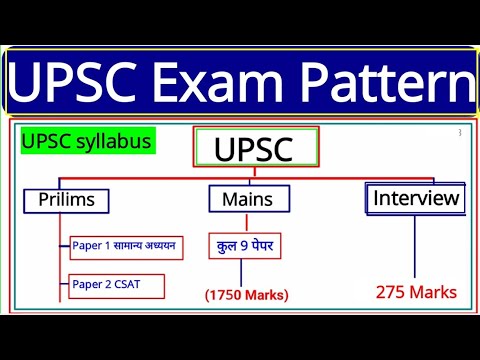
UPSC (Union Public Service Commission) exam pattern consists of three stages: the Preliminary Examination, the Main Examination, and the Personality Test (Interview). Please note that the UPSC may have made changes to the exam pattern since then, so it’s always a good idea to check the official UPSC website for the most up-to-date information.

1. Preliminary Examination:


  • The Preliminary Examination is the first stage of the UPSC exam.

  • It consists of two objective-type papers: General Studies Paper I and General Studies Paper II (CSAT).

  • General Studies Paper I covers subjects like History, Geography, Polity, Economy, Science and Technology, Environment, and Current Affairs.

  • General Studies Paper II (CSAT) tests candidates’ aptitude, comprehension, logical reasoning, and analytical ability.

  • Both papers are conducted on the same day.

  • Each paper carries 200 marks.

  • The General Studies Paper II (CSAT) is qualifying in nature, and candidates need to score a minimum of 33% to qualify for the next stage.

  • The marks obtained in the General Studies Paper I are considered for the selection process.


2. Main Examination:

  • The Main Examination is the second stage of the UPSC exam and consists of written tests.

  • It includes 9 papers, out of which 7 are considered for the final ranking.

  • The papers include Essay, General Studies I, II, III, and IV, Optional Paper I, and Optional Paper II.

  • The optional papers can be chosen by the candidates based on their preference and eligibility.

  • Each paper carries 250 marks, except for the Essay paper, which carries 250 marks.

  • The total marks for the Main Examination sum up to 1750 marks.


3. Personality Test (Interview):

  • Candidates who qualify in the Main Examination are called for the Personality Test, also known as the Interview.

  • The Personality Test carries 275 marks.

  • It assesses candidates’ intellectual abilities, social traits, and their overall personality.

  • The final merit list is prepared based on the candidates’ performance in the Main Examination and the Personality Test.

It’s important to note that the UPSC exam pattern may change over time, and the commission has the authority to modify the pattern as required. It’s advisable to refer to the official UPSC website or notification for the latest and most accurate information regarding the exam pattern and syllabus.


Guide to the UPSC Civil Services Exam: Syllabus,

The Union Public Service Commission (UPSC) Civil Services Examination in India is a highly esteemed exam designed to select candidates for the Indian Administrative Service (IAS), Indian Foreign Service (IFS), Indian Police Service (IPS), and other central services. The examination is known for its rigorous and comprehensive syllabus, which is divided into three stages: Preliminary, Main, and the Personality Test (Interview).


Preliminary Examination


The Preliminary stage is the first hurdle and consists of two objective-type papers (multiple choice questions), serving as a screening test.


1.General Studies (GS) Paper I (200 marks) : This paper tests a candidate’s knowledge in current affairs, history, geography, political science, economics, environmental ecology, and general science. Topics range from current events of national and international importance to economic and social development, biodiversity, climate change, and general science.


2.Civil Services Aptitude Test (CSAT) Paper II (200 marks) : This paper is designed to assess a candidate’s analytical skills, reasoning ability, decision-making skills, problem-solving, basic numeracy, and data interpretation skills. Although this is a qualifying paper, candidates must secure a minimum qualifying mark.


Main Examination


Candidates who clear the Preliminary exam are eligible for the Main exam, which is subjective and consists of nine papers. However, only seven of these are counted for the final ranking.


1.Qualifying Papers :

  • Paper-A (Indian Language)**: Candidates can choose one of the languages listed in the Eighth Schedule of the Indian Constitution.

  • Paper-B (English)**: This paper tests the candidates’ comprehension and language skills.


2.Papers to be Counted for Merit:

  • Paper-I (Essay): Candidates need to write essays on multiple topics.

  • Papers-II to V (General Studies): These papers cover a wide array of subjects including history, geography, polity, social justice, international relations, technology, economic development, biodiversity, environment, security, disaster management, ethics, integrity, and aptitude.

  • Papers-VI and VII (Optional Subjects) : Candidates have to choose one optional subject from the list provided by UPSC, and there are two papers on this subject.


 Interview (Personality Test)


The final stage is the Interview or Personality Test, carrying 275 marks. It assesses the candidate’s mental calibre, social traits, interest in current affairs, and overall personality. This stage is crucial as it evaluates not just the intellectual qualities but also the social traits and interest in current affairs.


Key Points to Remember
  • The UPSC exam requires an in-depth understanding of various subjects, analytical skills, and a coherent thought process.

  • It’s not just about memorizing facts but understanding issues and having a perspective on them.

  • Regular reading of newspapers, standard textbooks, and practice of writing answers is essential.

  • The syllabus is vast, so it’s important for aspirants to have a structured study plan and focus on revision.

  • The UPSC syllabus and pattern might change, so staying updated with the latest notifications from the UPSC website is important.

Union Public Service Commission

https://upsc.gov.in

In summary, the UPSC exam is a challenging but rewarding process, designed to select candidates with a broad knowledge base, strong analytical skills, and a well-rounded personality. Aspirants need to be diligent, focused, and updated with current affairs to succeed in this examination.

what after 12th

List of All Professional Courses After 12th In All Streams
With the aim of early professional education and career advancement, many students today are taking up professional courses right after completion of their school education. However, with the vast enormity of alternatives to choose from, students can get confused about which course to choose and which one to develop a career in.
For your ease of choosing, here we have mentioned a streamwise list of most sought professional courses after class 12th. Read more to explore the top professional courses in India

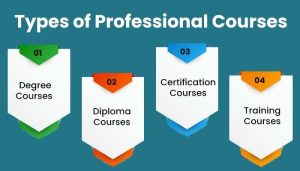
Types of Professional Courses After 12th

Professional courses after the 12th can be offered to students in the following common formats:
  • Degree Courses: These are full-time courses in the professional domain that provide students with comprehensive knowledge as well as training for a career in the domain. These are the most valued type of professional courses and are most preferred for starting and developing a career in the field of interest.
  • Diploma Courses: Diploma courses are shorter than degree courses, but are a popular option among students after completion of class 12th education, as these help students to develop the necessary skills and prerequisites for the professional field in a shorter duration.
  • Certification Programmes: Certification programmes are short- term courses that are designed to enable students to gain basic knowledge and training in the domain. However, certificate courses are more beneficial for skill development in a domain rather than starting a career, as it is tougher to establish one’s career in a domain solely based on a certification course.
  • Training Courses: these are more practically-oriented courses that are designed to train the student in specific skills needed for a professional field. These are for students who want to develop their professional skills or upskill themselves in a specific domain.


BA (Bachelor of Arts)

1. (BA) subjects

B.A. Gujarati , B.A. Hindi , B.A English , B.A. Sanskrit , B.A. Sociology , B.A. Economics , B.A. Psychology , B.A. History , B.A. Political Science , B.A. Philosophy , B.A. Home Science , B.A. Music , B.A. Fashion Designing


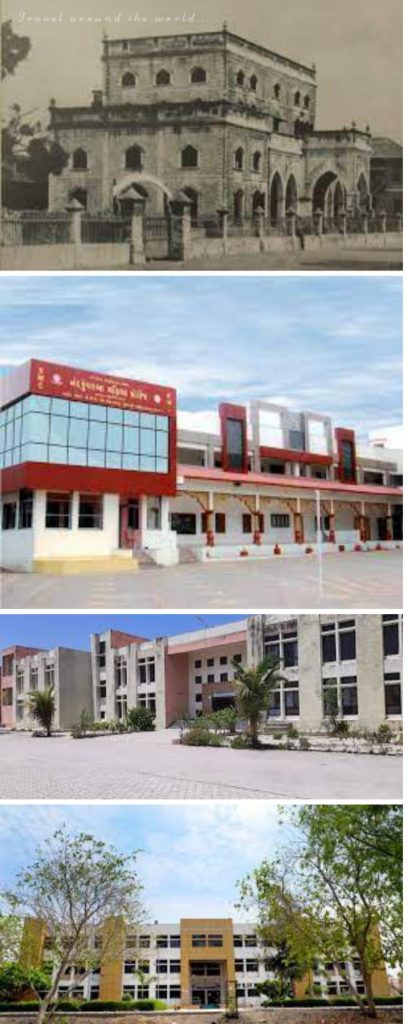
2. Affiliated Colleges bhavnagar


3. BA course full details


 degree in Hindi

A Bachelor of Arts (B.A.) degree in Hindi is an undergraduate program that focuses on the study of the Hindi language, literature, and culture. The specific course details can vary depending on the university and country, but some common topics covered in a B.A. Hindi program include:

  1. Hindi Language: The study of Hindi grammar, vocabulary, pronunciation, and writing systems.

  2. Hindi Literature: The study of Hindi literature from various periods, including medieval, modern, and contemporary. This may include poetry, fiction, drama, and non-fiction.

  3. Hindi Culture: The study of Hindi culture, including its history, customs, traditions, and beliefs

  4. Translation: The study of translation theory and practice, with a focus on translating Hindi texts into other languages and vice versa.

  5. Linguistics: The study of the structure and use of language, including phonetics, syntax, and semantics.

  6. Comparative Literature: The study of Hindi literature in comparison with other literatures, such as English, Urdu, and Sanskrit.

  7. Hindi Journalism: The study of journalistic writing and communication in Hindi, including news reporting, feature writing, and editorial writing.

In addition to coursework, a B.A. Hindi program may also involve opportunities for research and independent study, as well as internships or study abroad programs to gain practical experience in the field. Graduates with a B.A. Hindi degree can pursue careers in a variety of fields, including education, journalism, translation, government, and business.


English (B.A.)

A Bachelor of Arts (B.A.) degree in English typically involves the study of literature, language, and writing. The specific course details can vary depending on the university and country, but some common topics covered in a B.A. English program include:

  1. Literary Analysis: Students will learn how to critically analyze and interpret literature, including poetry, drama, and fiction.

  2. Language and Linguistics: Students will study the English language and its history, as well as aspects of linguistics such as phonetics, syntax, and semantics.

  3. Writing and Composition: Students will develop their writing skills, including academic writing, creative writing, and professional writing.

  4. Cultural Studies: Students will examine how literature and language reflect and shape cultural attitudes and values, as well as social and political issues.

  5. Literary Theory: Students will study various theories of literary criticism, such as Marxism, feminism, postcolonialism, and structuralism.

  6. British Literature: Students will study British literature from various periods, including Medieval, Renaissance, Victorian, and Modernist.

  7. American Literature: Students will study American literature from various periods, including Colonial, Romantic, Modern, and Postmodern.

  8. World Literature: Students may study literature from around the world, including African, Asian, Latin American, and European literature.

In addition to coursework, a B.A. English program may also involve opportunities for research and independent study, as well as internships or study abroad programs to gain practical experience in the field.

(B.A.) degree in Sanskrit

A Bachelor of Arts (B.A.) degree in Sanskrit is an undergraduate program that focuses on the study of the Sanskrit language, literature, and culture. The specific course details can vary depending on the university and country, but some common topics covered in a B.A. Sanskrit program include:

  1. Sanskrit Language: The study of Sanskrit grammar, vocabulary, pronunciation, and writing systems.

  2. Sanskrit Literature: The study of Sanskrit literature from various periods, including Vedic, Epic, Classical, and Medieval. This may include poetry, drama, fiction, and non-fiction.

  3. Indian Philosophy: The study of Indian philosophical texts, such as the Vedas, Upanishads, and Bhagavad Gita.

  4. Linguistics: The study of the structure and use of language, including phonetics, syntax, and semantics.

  5. Comparative Literature: The study of Sanskrit literature in comparison with other literatures, such as Hindi, English, and other Indian regional languages.

  6. Sanskrit Culture: The study of Sanskrit culture, including its history, customs, traditions, and beliefs.

  7. Manuscriptology: The study of ancient manuscripts and their preservation.

In addition to coursework, a B.A. Sanskrit program may also involve opportunities for research and independent study, as well as internships or study abroad programs to gain practical experience in the field. Graduates with a B.A. Sanskrit degree can pursue careers in a variety of fields, including education, journalism, research, government, and business.


(B.A.) degree in Sociology

A Bachelor of Arts (B.A.) degree in Sociology is an undergraduate program that focuses on the study of human society, social behavior, and culture. The specific course details can vary depending on the university and country, but some common topics covered in a B.A. Sociology program include:

  1. Sociological Theory: The study of the major theoretical perspectives on social behavior and the development of sociological thought.

  2. Social Research: The study of the methods used in social research, including surveys, interviews, observations, and experiments.

  3. Social Inequality: The study of social stratification, including topics such as race, class, gender, and sexuality.

  4. Social Institutions: The study of major social institutions, such as family, education, religion, and government.

  5. Globalization and Social Change: The study of the impact of globalization on social behavior and culture.

  6. Deviance and Social Control: The study of deviant behavior and the ways in which society regulates behavior.

  7. Social Movements: The study of social movements and collective action, including topics such as social justice, civil rights, and environmentalism.

In addition to coursework, a B.A. Sociology program may also involve opportunities for research and independent study, as well as internships or study abroad programs to gain practical experience in the field. Graduates with a B.A. Sociology degree can pursue careers in a variety of fields, including social work, public policy, non-profit organizations, education, and research.

Economics (B.A.)

A Bachelor of Arts (B.A.) degree in Economics is a popular undergraduate program that focuses on the study of how society allocates resources among competing needs and wants. The specific course details can vary depending on the university and country, but some common topics covered in a B.A. Economics program include:

  1. Microeconomics: The study of individual economic behavior, including consumer choice, producer behavior, and market equilibrium.

  2. Macroeconomics: The study of the economy as a whole, including topics such as inflation, economic growth, and monetary policy.

  3. Econometrics: The application of statistical methods to economic data for the purpose of testing economic theories and making predictions.

  4. International Economics: The study of how countries interact with each other through trade and finance, including topics such as exchange rates, trade policy, and globalization.

  5. Public Economics: The study of how government policies, such as taxation and spending, affect economic outcomes.

  6. Development Economics: The study of the economic conditions and policies that affect the growth and development of countries, particularly in the developing world.

  7. Industrial Organization: The study of how firms and industries compete and interact with each other, including topics such as market structure, pricing, and competition policy.

  8. Behavioral Economics: The study of how psychological factors affect economic decision-making, including topics such as biases, heuristics, and social norms.

In addition to coursework, a B.A. Economics program may also involve opportunities for research, internships, or study abroad programs to gain practical experience in the field. Graduates with a B.A. Economics degree can pursue careers in a variety of fields, including finance, consulting, public policy, and academia.


(B.A.) degree in Psychology

A Bachelor of Arts (B.A.) degree in Psychology is an undergraduate program that focuses on the study of human behavior, cognition, and mental processes. The specific course details can vary depending on the university and country, but some common topics covered in a B.A. Psychology program include:

  1. Introduction to Psychology: The study of the basic concepts and theories of psychology, including topics such as sensation and perception, learning, memory, and motivation.

  2. Social Psychology: The study of how social factors influence human behavior, including topics such as group dynamics, communication, and social cognition.

  3. Abnormal Psychology: The study of psychological disorders and their diagnosis and treatment, including topics such as anxiety disorders, mood disorders, and personality disorders.

  4. Developmental Psychology: The study of how human behavior and mental processes change over the lifespan, including topics such as cognitive development, language development, and social development.

  5. Cognitive Psychology: The study of mental processes such as attention, perception, and memory, including topics such as problem-solving, decision-making, and reasoning.

  6. Research Methods in Psychology: The study of the methods used in psychological research, including experimental design, data analysis, and statistical techniques.

  7. Neuroscience and Behavior: The study of the relationship between the brain and behavior, including topics such as brain anatomy, neurochemistry, and the effects of drugs and hormones on behavior.

In addition to coursework, a B.A. Psychology program may also involve opportunities for research and independent study, as well as internships or study abroad programs to gain practical experience in the field. Graduates with a B.A. Psychology degree can pursue careers in a variety of fields, including counseling, social work, human resources, marketing, and research. They may also continue their education in graduate programs in psychology or related fields.

History (B.A.)

A Bachelor of Arts (B.A.) degree in History is an undergraduate program that focuses on the study of past events, societies, cultures, and civilizations. The specific course details can vary depending on the university and country, but some common topics covered in a B.A. History program include:

  1. World History: The study of world history, including major events, movements, and civilizations from ancient times to the present.

  2. History of Specific Regions: The study of the history of specific regions, such as Europe, Asia, Africa, or the Americas.

  3. Historical Research and Methodology: The study of the methods used in historical research, including the analysis of primary sources, archival research, and the evaluation of historical evidence.

  4. Historiography: The study of the history of historical writing and the development of historical theories and methods.

  5. History of Ideas and Culture: The study of the development of ideas, culture, and art in different historical periods.

  6. History of Social and Political Movements: The study of the history of social and political movements, including topics such as revolution, nationalism, and social justice.

  7. History of Science and Technology: The study of the history of science and technology, including the development of scientific theories and the impact of technology on societies.

In addition to coursework, a B.A. History program may also involve opportunities for research and independent study, as well as internships or study abroad programs to gain practical experience in the field. Graduates with a B.A. History degree can pursue careers in a variety of fields, including education, law, journalism, government, museums, and cultural organizations.


(B.A.) degree in Political Science

A Bachelor of Arts (B.A.) degree in Political Science is an undergraduate program that focuses on the study of government, politics, and public policy. The specific course details can vary depending on the university and country, but some common topics covered in a B.A. Political Science program include:

.1 Political Theory: The study of the history of political thought and the ideas that have shaped political systems throughout history.

2. Comparative Politics: The study of the political systems and institutions of different countries and regions.

  1. International Relations: The study of the relationships between countries, including topics such as foreign policy, international security, and global governance.

  2. American Politics: The study of the political system and institutions of the United States, including topics such as elections, political parties, and the Constitution.

5.Public Policy: The study of how government policies are made, implemented, and evaluated, including topics such as health policy, environmental policy, and education policy.

6. Political Methodology: The study of quantitative and qualitative research methods used in political science, including statistics, surveys, and content analysis.

  1. Political Economy: The study of the interaction between politics and economics, including topics such as globalization, trade policy, and economic development.

In addition to coursework, a B.A. Political Science program may also involve opportunities for research and independent study, as well as internships or study abroad programs to gain practical experience in the field. Graduates with a B.A. Political Science degree can pursue careers in a variety of fields, including government, non-profit organizations, international organizations, advocacy groups, journalism, and law.

(B.A.) degree in Home Science


A Bachelor of Arts (B.A.) degree in Home Science is an undergraduate program that focuses on the study of the science behind various aspects of home management. The specific course details can vary depending on the university and country, but some common topics covered in a B.A. Home Science program include:

  1. Food and Nutrition: The study of the science of food and its role in human health, including topics such as food processing, food preservation, food safety, and therapeutic nutrition.

  2. Clothing and Textiles: The study of the properties of textiles and clothing, including topics such as textile fibers, fabric design and construction, fashion design, and textile chemistry.

  3. Family Resource Management: The study of the management of family resources, including topics such as budgeting, financial management, home organization, and time management.

  4. Human Development: The study of human development across the lifespan, including topics such as child development, adolescent development, and adult development.

  5. Communication and Extension: The study of effective communication in family and community settings, including topics such as interpersonal communication, mass media communication, and community development.

  6. Home Science Research: The study of research methodology and techniques in home science, including topics such as research design, data collection, and analysis.

In addition to coursework, a B.A. Home Science program may also involve opportunities for practical training, internships, or study abroad programs to gain practical experience in the field. Graduates with a B.A. Home Science degree can pursue careers in a variety of fields related to home management, including food and nutrition, textiles and fashion, hospitality, education, research, and community development. They may also continue their education in graduate programs in home science or related fields.

(B.A.) degree in Music

is an undergraduate program that focuses on the study of music theory, history, and performance. The specific course details can vary depending on the university and country, but some common topics covered in a B.A. Music program include:


  1. Music Theory: The study of the fundamental principles of music, including topics such as notation, scales, chords, harmony, and form.


  1. Music History: The study of the history of music, including Western classical music, popular music, and music from other cultures.


  1. Music Performance: The study and practice of instrumental or vocal performance, including solo and ensemble performance.


  1. Music Technology: The study of the use of technology in music production, including topics such as sound recording, music software, and electronic music.


  1. Music Education: The study of the principles and practices of teaching music, including curriculum design, pedagogy, and assessment.


  1. Music Business: The study of the business aspects of the music industry, including topics such as music marketing, copyright law, and music licensing.


In addition to coursework, a B.A. Music program may also involve opportunities for practical training, ensemble performance, or study abroad programs to gain practical experience in the field. Graduates with a B.A. Music degree can pursue careers in a variety of fields related to music, including performance, teaching, composition, music production, and music business. They may also continue their education in graduate programs in music or related fields.

BA & BA.Affiliated College details Bhavnagar University

full details  BA course

Bhavnagar University


Affiliated Colleges

SR. COLLEGE MEDIUM address
1 08-SAMALDAS ARTS COLLEGE, BHAVNAGAR
Gujarati Mahatma Gandhi Campus, Waghawadi Road Bhavangar, Gujarat
2 13-GOVERNMENT ARTS COLLEGE, TALAJA
Gujarati national highway no.51,behind govt.ayurvedic hospital,bhavnagar road,talaja-364140 | At post-talaja, ta-talaja
3 15-GOVERNMENT ARTS COLLEGE, VALLABHIPUR
Gujarati C/O SHREE GAMBHIRSINHJI HIGHSCHOOL CAMPUS | AT.VALLABHIPUR TA.VALLABHIPUR | pincode 364310 ; City: VALLABHIPUR.


4 16-BHAKTRAJ DADA KHACHAR ARTS & COMMERCE COLLEGE, GADHADA
Gujarati Opp.Mohanbhai Statue,Station Road, At: Gadhada (Swa)-364750 DIst: Bhavnagar
e-Mail: prin-bdkaccgadhada@gujgov.edu.in, www.gacgadhada.webs.com
5 20-SHREE K.V. PAREKH SCIENCE, MATUSHREE T.K. PAREKH ARTS & SMT. G.S. PAREKH COMMERCE COLLEGE, MAHUVA
Gujarati Jadra Road, Mahuva,

Dist: Bhavnagar.-364290

e-Mail: kvparekhcollege1966@gmail.com

6 21-KAVISHRI BOTADKAR ARTS AND COMMERCE COLLEGE, BOTAD
Gujarati Himmatbhai Gandhi Marg, Paliyad Road,
Botad-364710.
e-Mail: botadkarcollege@gmail.com
7 22-L.R.VALIA ARTS AND P.R.MEHTA COMMERCE COLLEGE, BHAVNAGAR
Gujarati Vidyanagar, Bhavnagar.
e-Mail: vamcc69@gmail.com, website:www.vamcc.org
8 23-SMT. V.P. KAPADIA MAHILA ARTS COLLEGE, BHAVNAGAR
Gujarati High Court Road, Nr.Ambaji Temple, Bhavnagar.-364001
e-Mail: vpkc_bvn@yahoo.co.in
9 24-SHREE V. M. SAKARIA MAHILA ARTS COLLEGE, BOTAD
Gujarati Paliyad Road, Botad
e-Mail: www.sakariyacollege.com, sakariya_college@rediffmail.com, website:www.sakariyaco
10 25-SMT. P.N.R. SHAH MAHILA ARTS AND COMMERCE COLLEGE, PALITANA
Gujarati Taleti Road, Palitana -364270
Dist: Bhavnagar.
e-Mail: prin.ma.palitana@gmail.com www.pnrmace.edu.in
11 29-SHRI KELAVNI MANDAL MAHAVIDHYALAY SANCHALIT ARTS COLLEGE, DHASA
Gujarati Dhasagam,Statio Road, Ta: Gadhada,
Dist:Botad.
12 30-SMT. JAMANABAHEN BHUTA ARTS COLLEGE, SIHOR
Gujarati Meghvadar Road, P.O.BOX No.70, Sihor,-364240
Dist: Bhavnagar.
e-Mail: bhutacollegesihor@gmail.com
13 32-SMT. Y.J.J. DOSHI COMMERCE AND SMT. H.B. DOSHI ARTS COLLEGE, TALAJA
Gujarati National High way 51, Nr-Ayurvedic Hospital, At: Talaja, Dist: Bhavnagar.
e-Mail: doshicollegetalaja@gmail.com
14 53-NANDKUVARBA MAHILA ARTS COLLEGE, BHAVNAGAR
Gujarati Devraj Nagar-2, City Ring Road, Bhavnagar.-364002
e-Mail: nmcba2009@gmail.com website:www.nandkunvarbamahilacollege.com
15 71-SHRI UMIYA MAHILA ARTS & COMMERCE COLLEGE, LATHIDAD
Gujarati Smt.G.G.Bhungani Kanya Vidyasankul, Uma Campus At:Lathidad, Ta: Botad Dist: Botad
e-Mail: umiyacollegelathidad@gmail.com
16 81-SHREE SWAMINARAYAN MAHILA ARTS COLLEGE, GADHADA
Gujarati Pipalawadi, Botad Road, Gadhada (Swami)
Dist. Botad-364750
e-Mail: ptcgadhada@gmail.com, website:www.yoganandswami.com
17 94-SHREE RASHIKLAL M. DHARIWAL MAHILA ARTS COLLAGE, VALUKAD
Gujarati AT.Valukad, Ta: Palitana,
Dist: bhavnagar-364270
e-Mail: vvkm_valukad@yahoo.co.in
18 101-SHREE J.K. LUKHI ARTS AND COMMERCE COLLEGE, GARIYADHAR
Gujarati Ratnvav nu Patiyu, Palitana Road, Gariyadhar, Dist: Bhavnagar
e-Mail: jklukhi1988@gmail.com
19 106-MATUSHRI RATANBEN RAMJIBHAI MONPARA ARTS COLLEGE, BHAVNAGAR
Gujarati Matushri Ratanben Ramjibhai Monpara Arts College
Kaliyabid, Bhavnagar
e-Mail: rrmartscoll@gmail.com www.spei@in.co rrmonpara2013@gmail.com
20 116-SMT. MANJUBEN ARVINDBHAI TEJANI ARTS COLLEGES (MAHILA COLLEGE), GARIYADHAR
Gujarati V.D. Vaghani Vidhyasankul , Palitana
Road , Gariyadhar,Dist:Bhavnagar.
e-Mail: kvv_itc44@yahoo.in
21 122-SHRI MUKESHKUMAR MAGANLAL DOSHI ARTS & COMMERCE COLLEGE, JESAR
Gujarati At: Jesar, Ta: Mahuva, Dist: Bhavnagar.
e-Mail: mmdoshi.collegejesar@gmail.com
22 127-GOPINATHJI MAHILA ARTS COLLEGE, SIHOR
Gujarati Shivdarshan Society, Nr-Velnath Society, Bhavnagar Rajkot Road,Sihor
e-Mail: gopinathjimahilacollege@gmail.com
23 133-GOVERNMENT ARTS & COMMERCE COLLEGE, BARWALA
Gujarati Nr-Khodiyar Mandir, Dhandhuka-Bhavnagar High Way, At. Po.Ta.. Barwala, Dist.Botad
e-Mail: gacbarvala@gmail.com
24 218-MAHARANISHREE NANDKUVARBA MAHILA ARTS AND COMMERCE COLLEGE, BHAVNAGAR
Gujarati Devraj Nagar-2, City Ring Road, Bhavnagar.-364002
e-Mail: nmcba2009@gmail.com website:www.nandkunvarbamahilacollege.com
English Devraj Nagar-2, City Ring Road, Bhavnagar.-364002
e-Mail: nmcba2009@gmail.com website:www.nandkunvarbamahilacollege.com
25 226-GOVERNMENT ARTS AND COMMERCE COLLEGE,GHOGHA
Gujarati Government Model School, At. Avaniya, Ta. Ghogha, Dist. Bhavnagar
e-Mail: gaccghogha@gmail.com
26 257-SWAMI SAHAJANAND COLLEGE OF ARTS, BHAVNAGAR
Gujarati Plot No:- 639, Iscon mega City, NR. University Administrative building, Bhavnagar.
e-Mail: ssccmcollege@gmail.com
27 264-SMT. N.C GANDHI & SMT. B.V. GANDHI MAHILA ARTS & COMMERCE COLLEGE, BHAVNAGAR
Gujarati Mahila College circle, Diamond Chawk, Bhavnagar
28 316-SHREE MARUTI VIDHYAMANDIR COLLEGE OF COMMERCE AND ARTS, BHAVNAGAR
Gujarati Plot No: 268, Madhavnagar, Sidsar Road, Bhavnagar
e-Mail: maruticolleges@gmail.com
English Plot No: 268, Madhavnagar, Sidsar Road, Bhavnagar
e-Mail: maruticolleges@gmail.com
29 339-VIDYAVIHAR KELAVANI MANDAL SWAMI VIVEKANAND COLLEGE OF ARTS, PALITANA
Gujarati Commerce, Shivpark Society, Nr.Railway Crossing, Palitana.
e-Mail: deepaktrivedi2020@gmail.com
30 364-SHREE VALLABHI VIDHYAPITH ARTS AND COMMERCE COLLEGE
Gujarati At-Keriya-2,Ta-Dist-Botad-364310
31 391-GOVERNMENT ARTS & COMMERCE COLLEGE, PALITANA
Gujarati Palitana, Dist. Bhavnagar
32 393-SHRI SAIRAM ARTS & COMMERCE COLLEGE, BHAVNAGAR
Gujarati C/o-Takshshila Vidyalaay, B/h-Railway Hospital, Bortalav, Bhavnagar

full details  BA course:

BA (Bachelor of Arts) is a 3-year undergraduate course that provides a broad education in the liberal arts, humanities, and social sciences. The course is designed to give students a comprehensive understanding of different subjects such as History, Economics, Sociology, Political Science, Psychology, English, etc.

Eligibility Criteria: The candidate must have completed their 10+2 or an equivalent examination from a recognized board with a minimum of 50% marks. Some universities may also require the candidate to appear for an entrance exam.

Course Duration: The duration of the BA course is 3 years, divided into 6 semesters.

Course Curriculum: The course curriculum of BA is designed to provide students with a broad understanding of different subjects in the liberal arts, humanities, and social sciences. The first few semesters focus on foundational subjects such as History, Political Science, Economics, Sociology, English, etc. The later semesters cover more specialized subjects such as International Relations, Public Administration, Psychology, Philosophy, etc.

Career Opportunities: After completing the BA course, candidates can pursue various career options in different fields such as journalism, teaching, civil services, social work, public administration, advertising, media, content writing, etc. They can also opt for higher studies such as MA, MPhil, or PhD in their chosen field of study.

Overall, BA is a comprehensive course that offers students a broad understanding of different subjects in the liberal arts, humanities, and social sciences, and opens up a wide range of career opportunities in various fields.


B.COM & M.COM Course details

(B.Com) Bachelor of Commerce
Sure, here are the full details about the B.Com course:

B.Com (Bachelor of Commerce) is a 3-year undergraduate course that provides a comprehensive understanding of different subjects related to commerce and finance. The course is designed to give students a strong foundation in accounting, economics, taxation, and business management.


Eligibility Criteria: The candidate must have completed their 10+2 or an equivalent examination from a recognized board with a minimum of 50% marks in commerce or any other stream. Some universities may also require the candidate to appear for an entrance exam.


Course Duration: The duration of the B.Com course is 3 years, divided into 6 semesters.


Course Curriculum: The course curriculum of B.Com is designed to provide students with a comprehensive understanding of different subjects related to commerce and finance. The first few semesters focus on foundational subjects such as Accounting, Economics, Business Law, and Taxation. The later semesters cover more specialized subjects such as Cost Accounting, Auditing, Financial Management, and Business Ethics.


Career Opportunities: After completing the B.Com course, candidates can pursue various career options in different fields such as accounting, finance, banking, insurance, taxation, auditing, and business management. They can work as accountants, financial analysts, tax consultants, auditors, investment bankers, or business managers in different industries such as banking, insurance, retail, manufacturing, and government organizations. They can also opt for higher studies such as M.Com, MBA, or professional courses such as CA, CS, or CMA.


Overall, B.Com is a comprehensive course that offers students a strong foundation in different subjects related to commerce and finance, and opens up a wide range of career opportunities in various fields.


  • Bachelor of Commerce

Bhavnagar University
 Affiliated Colleges
SR. COLLEGE MEDIUM Total Intake Capacity Total Confirmed Admissions
1 10-M.J. COLLEGE OF COMMERCE, BHAVNAGAR
Gujarati 900 741
English 150 100
2 16-BHAKTRAJ DADA KHACHAR ARTS & COMMERCE COLLEGE, GADHADA
Gujarati 150 56
3 20-SHREE K.V. PAREKH SCIENCE, MATUSHREE T.K. PAREKH ARTS & SMT. G.S. PAREKH COMMERCE COLLEGE, MAHUVA
Gujarati 150 127
4 21-KAVISHRI BOTADKAR ARTS AND COMMERCE COLLEGE, BOTAD
Gujarati 300 148
5 22-L.R.VALIA ARTS AND P.R.MEHTA COMMERCE COLLEGE, BHAVNAGAR
Gujarati 300 58
6 25-SMT. P.N.R. SHAH MAHILA ARTS AND COMMERCE COLLEGE, PALITANA
Gujarati 150 48
7 32-SMT. Y.J.J. DOSHI COMMERCE AND SMT. H.B. DOSHI ARTS COLLEGE, TALAJA
Gujarati 150 66
8 42-SWAMI SAHAJANAND COLLEGE OF COMMERCE AND MANAGEMENT, BHAVNAGAR
English 300 51
Gujarati 270 79
9 44-THE K.P.E.S. COLLEGE, BHAVNAGAR
English 390 89
10 52-SHREE G.L. KAKADIA COLLEGE OF COMMERCE AND MANAGEMENT, BHAVNAGAR
English 150 36
Gujarati 150 52
11 68-NANDKUVARBA MAHILA COMMERCE COLLEGE, BHAVNAGAR
English 150 50
Gujarati 300 166
12 69-SHREE SWAMINARAYAN COLLEGE OF COMMERCE AND MANAGEMENT (MAHILA-B.COM.), BHAVNAGAR
English 150 50
Gujarati 150 40
13 71-SHRI UMIYA MAHILA ARTS & COMMERCE COLLEGE, LATHIDAD
Gujarati 150 23
14 78-K.R.DOSHI B.COM. COLLEGE, BHAVNAGAR
English 150 110
Gujarati 150 58
15 82-SHREE SWAMINARAYAN MAHILA COMMERCE COLLEGE, GADHADA
Gujarati 150 0
16 88-MAHDI MAHILA COMMERCE COLLEGE, BHAVNAGAR
English 150 44
Gujarati 150 18
17 92-SHRI V.M. SAKARIYA MAHILA COMMERCE COLLEGE, BOTAD
Gujarati 150 123
18 101-SHREE J.K. LUKHI ARTS AND COMMERCE COLLEGE, GARIYADHAR
Gujarati 150 2
19 110-SHREE KUMARI SINOMI HITEN GARDI COMMERCE COLLEGE, BHAVNAGAR
Gujarati 150 36
20 118-SMT. SAVITABEN RAMESHBHAI VAGHANI MAHILA COMMERCE COLLEGE, GARIYADHAR
Gujarati 150 30
21 122-SHRI MUKESHKUMAR MAGANLAL DOSHI ARTS & COMMERCE COLLEGE, JESAR
Gujarati 150 34
22 128-GOPINATHJI MAHILA COMMERCE COLLEGE, SIHOR
Gujarati 150 79
23 133-GOVERNMENT ARTS & COMMERCE COLLEGE, BARWALA
Gujarati 150 7
24 135-SURYODAY COLLEGE OF COMMERCE, BHAVNAGAR
Gujarati 150 11
25 136-TAKSHSHILA INSTITUTE OF COMMERCE, BHAVNAGAR
English 60 27
Gujarati 60 37
26 217-SHREE BALVANT PAREKH EDUCATION TRUST SANCHALIT SHREE PAREKH COMMERCE COLLEGE, MAHUVA
Gujarati 270 49
English 150 17
27 218-MAHARANISHREE NANDKUVARBA MAHILA ARTS AND COMMERCE COLLEGE, BHAVNAGAR
English 150 0
Gujarati 150 51
28 226-GOVERNMENT ARTS AND COMMERCE COLLEGE,GHOGHA
Gujarati 150 3
29 248-SHREE RASIKLAL M. DHARIWAL MAHILA COMMERCE COLLEGE, VALUKAD, PALITANA
Gujarati 150 3
30 263-JAFARI AND FATIMA MAHILA COMMERCE COLLEGE, MAHUVA
English 150 26
Gujarati 150 2
31 264-SMT. N.C GANDHI & SMT. B.V. GANDHI MAHILA ARTS & COMMERCE COLLEGE, BHAVNAGAR
Gujarati 300 141
32 268-VIDYA VIHAR KELVAVNI MANDAL SWAMI VIVEKANAND COLLEGE OF COMMERCE, PALITANA
Gujarati 150 41
English 150 0
33 316-SHREE MARUTI VIDHYAMANDIR COLLEGE OF COMMERCE AND ARTS, BHAVNAGAR
English 150 2
Gujarati 150 20
34 365-SHREE VALLABHI VIDHYAPITH ARTS AND COMMERCE COLLEGE
Gujarati 150 0
35 383-DHRUV COMMERCE COLLEGE, TODI, TA.SIHOR, DIST.BHAVNAGAR
Gujarati 150 0
36 391-GOVERNMENT ARTS & COMMERCE COLLEGE, PALITANA
Gujarati 150 30

Gr. Total

9150

2981


  • ( M.Com ) Master of Commerce

MCom Distance Education Admission 2023: MCom is a master of commerce high-level degree course with a minimum of two years of duration. MCom distance course belongs to the commerce sector or stream. The MCom degree is a post-BCom degree in commerce. It is common for students with a BCom degree to pursue this academic degree to gain more knowledge, qualify for professional positions with MNCs, and earn a generous salary.

MCom Full Form: Masters of Commerce

Eligibility: Bachelor’s degree (BCom or equivalent) with at least 45-50% marks from a recognized university.

Duration: 2 to 5 years.

Fee: Approx INR 5,000 to INR 38,000 per year

Career-Wise: Work as an Account Assistant, Cost Accountant, and Business Consultant with a salary of INR 5 LPA.

You will learn about business, management, and jobs during this postgraduate program. As a result, the MCom Distance Learning program provides students with a comprehensive understanding of commerce, management, and economics. There are thesis-based and research-based components to the course.


MCom distance education course also offers many specializations that are offered at most universities such as MCom Accounting & Finance, MCom Banking, MCom Business Management, MCom Business Policy & Corporate Governance, MCom Computer Application / Information Technology, MCom E-Commerce, MCom Economics, MCom Finance & Control, to name a few. There are MCom correspondence learning options available for above Specialization courses.


MCom from distance learning mode is a better choice for working adults and students who cannot continue regular courses due to financial and other situations. Students can work full-time and study simultaneously through this mode of degree.


प्रवेश परीक्षा, किसी मान्यता प्राप्त विश्वविद्यालय से B.com या B.com ऑनर्स या समकक्ष में न्यूनतम 50% कुल होना आवश्यक है। कुछ विश्वविद्यालय मान्यता प्राप्त विश्वविद्यालयों से न्यूनतम 60% औसत के साथ बीएफआईए, बीबीएस और बीबीई स्नातकों को भी स्वीकार करते हैं।

विश्वविद्यालय से विश्वविद्यालय, दूरस्थ M.com कार्यक्रम में आने के विभिन्न तरीके हैं। कुछ विश्वविद्यालयों को परीक्षा की आवश्यकता होती है, जबकि अन्य आपको तुरंत प्रवेश करने देते हैं।

दूरी एम.कॉम. M.com एक पेशेवर मास्टर डिग्री है जो एक निश्चित क्षेत्र में विशेषज्ञता रखती है। मास्टर डिग्री किसी भी विषय में हो सकती है।

Why Study MCom Distance Education?

The MCom Distance Education program is proven to be the best-advanced option for students aiming for careers in commerce-related fields. The distance education program helps students grow their understanding of the specializations with the assistance of concepts reflected in the theories and practice sessions.


Candidates seeking to enter the world of commerce education would not have a better option than the MCom distance learning program. The reasons for the advanced distance education program in MCom being so successful and attractive are listed below.


MCom through distance education is highly recommended due to its cost-effectiveness, modernized study materials, and lucrative career opportunities.

The MCom distance learning program strengthens the bachelor’s degree’s foundational coursework and increases future opportunities for research-based education.

MCom correspondence admission is largely processed with a non-entrance test based.

The MCom distance education program is a respectable substitute for a traditional degree for students looking to advance their academic standing.

Students can save and manage their time during the MCom distance education program.

MCom Distance Education Specialization

As part of the M.Com Distance Education Program, you have the option to choose from many specializations such as M.Com in Banking and Finance, M.Com in Business Finance, and M.Com in Management. The following is a list of some of the best specializations as well as their eligibility criteria.


MCom in Economics

Distance MCom degree in applied economics is a 2-year postgraduate degree majorly designed for economic theory and econometrics, the course is divided into 4 semesters and provides good job opportunities for the students who pursue it.

Those who are interested in taking MCom distance education admission 2023 must have completed 10+2 and BCom from a recognized board or institution. Mcom Distance learning comes up with many good career scopes such as candidates can work in Economic Research Centres, Marketing Companies, Banks, etc.

MCom Accounting and Finance

MCom Accounting and Finance is a two-year PG program. It is a high level of systematic study in finance and accounting. Interested candidates can apply after completing a B.Com, BBA, or BCA. However, a candidate must obtain the required percentage or grade to be considered for admission.

Mcom Distance Learning to Accounting and Finance program is based on merit or direct admission. While others require an entrance exam. University of Delhi, Aligarh Muslim University, Christ University, Jadavpur University, and others offer M.Com Accounting and Finance. The average course fee ranges from 10,000 to 2 lakhs.

The average salary offered to new applicants is between 2.5 and 3 lacs. HCL, ICICI Bank, Bharti Airtel, Amazon, Jio, etc., are hiring in this field.

MCom Banking and Finance


MCom Banking and Finance is the known specialization course in Commerce stream. In this course, students learn about financial concepts and the strategies related to Banking and Finance. This course duration is 2 to 4 years, with high-quality learning through distance education.

MCom Distance Education Career

Operations Manager

Assistant Finance Manager

Financial Analyst

Chartered Accountant

MCom Distance Education Scope

Graduates of distance education who earn an M.Com degree can find employment in the following fields, ranging from entry-level to assistant-level positions in companies and corporations, banks, colleges, and universities, institutions that provide financial and accounting services,


MCom Distance Education Job Types

You have a wide variety of career options after completing your master’s degree, including money managers, financial advisors, and investment bankers, among others, which deal with the flow of money. The commerce field in India and abroad offers a wide range of career options. If you are interested in going for a professional program such as an MBA, you can go for it.


Accounts Assistant Marketing Manager

Corporate Analyst Financial Analyst

Investments Analyst Money Manager

Assistant Accountant Securities Analyst

Business Analyst Market Analyst

Accountant Senior Accountant

Cashier/Teller Operations Manager

Executive Assistant Personal Finance Consultant

Finance Manager Investment Banker

Risk Analyst (more)

  • Master of Commerce

Bhavnagar University
 Affiliated Colleges
SR. COLLEGE MEDIUM Total Intake Capacity Total Confirmed Admissions
1 146-DEPARTMENT OF COMMERCE (GIA)
Gujarati 94 51
2 175-P.G. CENTRE OF M.COM,SWAMI SAHAJANAND COLLEGE OF COMMERCE AND MANAGEMENT, BHAVNAGAR
Gujarati 75 7
English 75 11
3 205-PG CENTER OF M.COM,THE KPES COLLEGE, BHAVNAGAR
English 75 24
4 206-PG CENTER OF M.COM,NANDKUVARBA MAHILA COLLEGE, BHAVNAGAR
English 102 41
Gujarati 99 73
5 207-PG CENTER OF M.COM,SHRI SWAMINARAYAN COLLEGE OF COMMERCE & MANAGEMENT, BHAVNAGAR
English 75 28
6 209-P G CENTER OF M.COM, K R DOSHI COLLEGE OF COMMERCE, BHAVNAGAR
English 75 19
7 225-P.G. CENTRE OF M.COM., M.J. COLLEGE OF COMMERCE, BHAVNAGAR
English 75 1
Gujarati 75 12
8 260-P.G.CENTER OF M.COM., MAHDI MAHILA COLLEGE, BHAVNAGAR
Gujarati 33 14
English 33 4
9 271-P.G. CENTER OF M.COM., GOPINATHJI MAHILA COMMERCE COLLEGE, SIHOR
Gujarati 75 26
10 285-P.G. CENTER OF M.COM., SHREE PAREKH ARTS, SCIENCE & COMMERCE COLLEGE, MAHUVA
Gujarati 75 17
11 288-P.G. CENTER OF M.COM., SMT.P.N.R. SHAH MAHILA ARTS & COMMERCE COLLEGE, PALITANA
Gujarati 75 38
12 312-P.G.CENTRE OF M.COM.SHREE MARUTI VIDHYAMANDIR COLLEGE OF M.COM.
Gujarati 75 17
13 313-P.G.CENTRE OF M.COM.MAHARANI SHREE NANDKUVARBA MAHILA ARTS & COMMERCE COLLEGE
Gujarati 75 12

Gr. Total

1261

395


BSW (Bachelor of Social Work)

BSW stands for Bachelor of Social Work. It is a 3-year undergraduate program that focuses on the theoretical and practical aspects of social work. Here are some details about the BSW course:


Eligibility Criteria:

  • Candidates should have completed their 10+2 or equivalent examination from a recognized board.

  • The minimum required percentage varies from college to college, but usually, it is 50% or above in the qualifying exam.

  • Bhavnagar University

Affiliated Colleges

SR. COLLEGE Total Intake Capacity Total Confirmed Admissions
1 237-SHRI MARUTI VIDHYA MANDIR COLLEGE OF B.S.W., BHAVNAGAR
75  


2 245-K.R. DOSHI COLLEGE OF SOCIAL WORK, BHAVNAGAR
75
3 259-SHREE SAHJANAND EDUCATION TRUST SANCHALIT J. K. SARVAIYA B.S.W COLLEGE, BHAVNAGAR
75

Gr. Total

225


Admission Process:


  • Admission to the BSW course is based on merit or entrance exam scores.


  • Some colleges conduct their entrance exams, while others admit students based on national or state-level exams.


Course Curriculum:


  • The BSW course curriculum covers subjects

such as social work, human behavior, social welfare administration, community development, and social problems.


  • The course also includes fieldwork and practical training to provide students with real-life exposure to the social work profession.


Career Opportunities:


  • After completing a BSW course, graduates can opt for jobs in the government and non-government sectors such as NGOs, social welfare departments, healthcare organizations, education, and research institutions.


  • BSW graduates can also pursue higher studies such as MSW (Master of Social Work), MPhil, or PhD in social work or related fields.


Job Prospects:


  • The demand for social workers is increasing

day by day, and the social work sector offers various job opportunities to BSW graduates

  • The starting salary of a BSW graduate varies from INR 2 to 4 LPA depending on the organization, skills, and job profile.


MSW Course:

Master of Social Work is a two-year postgraduate degree that teaches social work theory. This degree program covered macro & micro social work practises in communities, hospitals, and other domains. MSW course admission requires a bachelor’s degree in humanities or stream with a 40% aggregate score. Social work students are admitted first through entrance tests such as CUET UG, TISSNET and BHUNET at several universities.

The full form of MSW is Master of Social Work.

Duration: The MSW course typically has a duration of 2 years.

Course Level: MSW is a master’s level course.

Entrance Exams: Some of the common entrance exams for MSW admissions include CUET PG, IPUCET, BHU PET, and more.

Learning Modes: MSW courses are offered in various learning modes such as regular (full-time), online, and part-time.

Course Fee: The fee for the MSW course can vary, with approximate ranges from Rs 20,000 to Rs 1,37,000.

Salary in India: In India, the salary range for MSW professionals typically falls between INR 5.14 LPA to INR 8.2 LPA (per annum).

Students who want to take admission to the master of social courses are required to have a bachelor’s degree from the authorized institution or university. The MSW Course is a postgraduate (PG) level program divided into four semesters. MSocWk, MSocWork, or MSW is the abbreviation for the Master of Social Work degree.


The Master of Social Work is a technical postgraduate degree course that combines macro and micro aspects of professional social work practice in communities, hospitals, schools, and other social services institutions. Generally, India’s MSW program lasts two years and is divided into four semesters during that time.


The MSW Course was prepared to offer quality education in the following subjects: Philosophy & Social Work, Psychology for Social Work, Social Work Research, Community Work, Social Welfare Management, Poverty & Livelihood, Environment & Disaster Management, etc.


The rest of the MSW program sections such as the admission process, fees, entrance test, duration, scope, and colleges/universities have been described further in the article

Eligibility:


Admission to the Master of Social Work (MSW) program in distance education and online mode is given to candidates of the following eligibility.


A three-year BSW or Bachelor’s degree in any discipline from an approved university in India.

The minimum percentage to have in the qualifying exam for admission is 40 percent.

MSW Course Fees:


The master of social work (MSW) is offered online and through distance education at associated universities. The minimum MSW course fees are INR 20,000, and the average maximum fee is INR 1,37,000. Students can pay the fees in multiple ways, like by credit card/debit card, UPI, and more.


MSW Course Duration:


Master of Social Work (MSW) course duration is two years. Students who want to take admission to this course must have finished a bachelor’s degree with good marks from a UGC-authorized university. The admission process for the MSW course will be based on an entrance exam or merit-based.


Admission Process:


Admission to the MSW course is possible for students in a well-honoured university with just a few clicks. For admission, aspirants have to ping us or call through WhatsApp, social media, websites, etc. A counsellor with great experience will call you back to ask a few basic questions before suggesting anything.


The aspirants will acquire outstanding recommendations after presenting their individual and academic information. You won’t be charged anything by IMTS for the registration or services. However, candidates who are pleased with the support and eager to enrol in the program can spend the tuition /registration fee to guarantee their spot.


What is MSW?

MSW is a social science degree that teaches students how to use resources to solve societal problems and assist people in dealing with their pain and problems through group therapy, funding, and other socioeconomic approaches. MSW course discusses a wide range of topics related to community work, including human resource development and management, child rights and protection, labor welfare, community development, rural rebuilding, and so on. However, there is still a significant gender gap in India’s social work area. People who work in this profession make up only 12.5 percent of the workforce.


MSW Course Details

Obtaining a Master of Social Work degree is a highly specialized course that provides students with a profound understanding and knowledge of social structure, sociocultural management structures, and the processes related to them. Below, you will find some of the most important information regarding the MSW Course, such as a list of the MSW Course fees, the top universities that offer the MSW program, and many more. Students are requested to read this section carefully before beginning the course.


The MSW program is available in both traditional and online formats.

Students can take MSW classes online through networks like Academy Earth, edX, Coursera, and Alison.

The MSW program has four academic sessions. MSW topics include quantitative social work, labour welfare, social legislation, and social history.

The top universities for MSW programs are Delhi University, Christ University, and TATA Institute of Social Science.

Master of Social Work costs between 20,000 and 1,37,000 rupees. Private universities like Manipal University and Amity University charge between INR 2 and 3 LPA for a 2 years degree program.

Employed professionals can earn an MSW in two to five years from universities like IGNOU, DU, and YCMOU for around INR 40K.

Those who complete the program can work in human rights, social services, healthcare, etc.

Interested candidates can now choose to work with regional, national, or global NGOs.

Human Rights Activists, Program Coordinators, Social Counsellors, Program Managers, Social Activists, Social Workers, etc., are among the positions that require an MSW degree.

MSW Course Job Opportunities

  • Research Assistants
  • CSIR Officer
  • Project Coordinator
  • Assistants
  • Social Worker
  • General Manager
  • Consultant
  • Project Fellow
  • Field Investigators
  • Trainee
  • Counsellor
Bhavnagar University
Affiliated Colleges
# College Name College Type Principal Contact Applied Course Esta. Year
1 P.G. Centre of MDS
Manubhai Patel Dental College,
Nr. Vishvamitri Bridge, Munjmahuda, Vadodara.
P.G. Centre Dr. S. Kapoor Ph. – (0265) 2336350 M.D.S. 2012
2 P.G.Centre of M.D.S. Shree K.J. Maheta T. B. Hospital Trust Sanchalit College of Dental Science
Amargadh, Dist:Bhavnagar.
e-Mail: deancods@gmail.com website:kgmt.co.in
P.G. Centre Dr. R. Kanaparthy Ph. – (02846) 244207
Mo. – 9705031487
Fax – 244207
M.D.S. 2016
3 P.G. Centre of Social Work
Shree J.C. Kumarappa Mahavidhyalay,
Gram Udhyog Mandir, Ugamedi Road, Gadhada(sn) dist: Botad 364750
e-Mail: jckmswcollege@gmail.com www.jckcolleges.com
P.G. Centre Mr. S.M.Talvadiya Ph. – (02847) 253076
Mo. – 7041952372
Fax – 253535
M.S.W. 2000
4 P.G. Centre of Social Work
Shri Kelavni Mandal Dhasa,
At & Post Dhasagam, Ta. Gadhada,
Dist: Botad.
e-Mail: kmm.mswpg@gmail.com
P.G. Centre Mr.S.Devmurari Ph. – (02847) 233307, 233308
Mo. – 9429221599
M.S.W. 2000
5 P.G.Centre of Social Work
Swami Sahjanand College of Commerce and Management, Plot No. 639, ISCON Mega City, Nr. M. K. Bhavnagar University Karyalay, Bhavnagar – 364002 (Gujarat)
e-Mail: ssccmcollege@gmail.com www.ssccm.ac.in
P.G. Centre Dr. H. J. Mehta Ph. – (0278) 2512252
Mo. – 8511186031
Fax – 2523646
M.S.W. 2005
6 P. G. Centre of Social Work
Swami Vivekanand Post Graduate Academy,
NR.Sports Complex, Sidsar Road, Bhavnagar.
e-Mail: svpgamsw@yahoo.com www.svpgc.com
P.G. Centre Mr. J. B. Dabhi Ph. – (0278) 2470057
Mo. – 8511186094
Fax – 2470066
M.S.W. 2007
7 V. S. Lakhani P.G.Centre of Social Work
Kalvibid, Bhavnagar.
e-Mail: vslmsw@gmail.com http://speikakadia.com
P.G. Centre Mrs. V.V.Pandya Ph. – (0278) 2562828
Mo. – 9428222477
Fax – 2569111
M.S.W. 2009
8 P.G.Centre of Social Work
Shree Sahajanand Gurukul,
Ghogha Road, Bhavnagar.
e-Mail: spgcmswnew@gmail.com www.sahjanandcollege.org
P.G. Centre Mr. S.R. Parmar I/c Ph. – (0278) 2562593
Mo. – 9624055085
M.S.W. 2009
9 P.G. Centre of Social Work
Adarsh Education Campus, Haddad Road, Dist : Botad,
e-Mail: adarshmsw009@gmail.com, http://www.adarshcampus.org
P.G. Centre Mr. P.R. Talsaniya I/c Ph. – (02849) 231005
Mo. – 9974204180
M.S.W. 2009
10 P. G. Centre of Social Work
Nandkuvarba Mahila College, Devrajnagar-2, Ring Road,Bhavnagar.
e-Mail: nmcbhavnagar@gmail.com
P.G. Centre I/c.Ms.Halpathi Nishaben Ph. – (0278) 2471814, 2471815
Mo. – 8980915626
M.S.W. 2010
11 P.G. Centre of Social Work
K. R. Doshi B.B.A. College, Rupani Circle, Bhavnagar.
e-Mail: krdmsw@gmail.com krdoshitrust.org
P.G. Centre Mr.Bhavik B.Mehta Ph. – (0278) 2561757
Mo. – 9601274081
M.S.W. 2010
12 Maruti Vidyamandir College of Master of Social Work,
Shri Maruti Vidya Mandir College of Business Management of Computer Sceince,
268, Madhavnagar, NR. Leela Circle, Sidsar Road, Bhavnagar.
e-Mail: smvm_bcabba@yahoo.com maruticolleges@gmail.com
P.G. Centre Mr.S. B. Baraiya I/c Ph. – (0278) 2560437
Mo. – 6355730778
M.S.W. 2012
13 Mahatma Gandhi P.G. Centre of Social Work
1334/1335, OPP. T.V. RELAY KENDRA, GHOGHA CIRCLE, BHAVNAGAR. 364001
e-Mail: krdmsw@gmail.com krdoshitrust.org
P.G. Centre Dr. L. Mandaliya Ph. – (0278) 2211000
Mo. – 9879073740
M.S.W. 2013
14 J. K. Sarvaiya P. G. Centre of M.S.W.,
Sant Kavarram Sindhi School, Sardarnagar, Bhavnagar
e-Mail: jkspgcenter@gmail.com
P.G. Centre Dr.Nambrata Solanki I/c Ph. – (0278) 2471814
Mo. – 7405420636
M.S.W. 2014
15 Suryoday P.G. Center of M.S.W.
Saiyada Development Centre,Sister Nivedita Campus,Nilam Baug,Bhavnagar
e-Mail: suryodaymsw@gmail.com
P.G. Centre Mr.S.R.Sarvaiya I/c Ph. – 9173741074 M.S.W. 2016
16 P.G. Center of M.S.W., Takshshila Institute
Takshshila Institute of Commerce, Kairalividya Bhavan-2, Opp K.P.E.S College, Bhavnagar
e-Mail: bba.office.tim@gmail.com
P.G. Centre Dr.Jigar Pandya Ph. – (0278) 2562526
Mo. – 9998010608
M.S.W. 2016
18 Samajratna Chinubhai Manjula Bhagini Mitra Mandal P.G.Centre of MSW Palitana
Samajratna Chinubhai Manjula Bhagini Mitra Mandal P.G.Centre of MSW Palitana
e-Mail: bhaginipalitana@yahoo.in Website:www.srcmbhaginimitramandal.org
P.G. Centre Mr.S.Parmar Ph. – (02848) 251122
Mo. – 9429582031
Fax – 253320
M.S.W. 2017

BCA (Bachelor of Computer Applications)

(B.C.A)Bachelor of Computer Applications

BCA stands for Bachelor of Computer Applications. It is a 3-year undergraduate program that focuses on computer applications and software development. Here are some details about the BCA course:


Eligibility Criteria:

  • Candidates should have completed their 10+2 or equivalent examination from a recognized board.

  • The minimum required percentage varies from college to college, but usually, it is 50% or above in the qualifying exam.


Admission Process:

  • Admission to the BCA course is based on merit or entrance exam scores.

  • Some colleges conduct their entrance exams, while others admit students based on national or state-level exams.


Course Curriculum:

  • The BCA course curriculum consists of both theoretical and practical knowledge.

  • The course covers topics such as computer programming, computer networks, software engineering, database management systems, web design, and computer graphics.

  • Students are also required to undertake a project or an internship during the course to gain practical experience.


Career Opportunities:

  • After completing a BCA course, graduates can opt for jobs in the IT sector, such as software developer, web developer, database administrator, network administrator, system analyst, etc.

  • BCA graduates can also pursue higher studies such as MCA, MBA, or other IT-related courses.


Job Prospects:

  • The demand for computer professionals is increasing day by day, and the IT sector offers lucrative career opportunities to BCA graduates.

  • The starting salary of a BCA graduate varies from INR 2.5 to 5 LPA depending on the company, skills, and job profile.

Bhavnagar University 
SR. COLLEGE Total Intake Capacity
1 10-M.J. COLLEGE OF COMMERCE, BHAVNAGAR
75 55
2 33-SHREE SWAMINARAYAN COLLEGE OF COMPUTER SCIENCES, BHAVNAGAR
360 332
3 34-SMT. K.B. PAREKH B.C.A. COLLEGE, MAHUVA
210 192
4 55-SHREE ADARSH B.C.A. COLLEGE, HADDAD, BOTAD
135 127
5 58-SHREE MARUTI VIDYAMANDIR COLLEGE OF BUSINESS MANAGEMENT AND COMPUTER SCIENCE-B.C.A., BHAVNAGAR
150 40
6 66-NANDKUVARBA MAHILA B.C.A. COLLEGE, BHAVNAGAR
210 159
7 76-SHREE SHAILESH CHANDULAL GANDHI B.C.A. COLLEGE, BOTAD
135 103
8 79-SMT. KAMLABEN SHANTILAL KAPASHI B.C.A. COLLEGE, PALITANA
135 120
9 83-SWAMI SAHAJANAND COLLEGE OF COMPUTER SCIENCE, BHAVNAGAR
450 407
10 87-SMT. LAXMIBEN PREMJIBHAI SAVANI SATUABABA B.C.A. COLLEGE, PALITANA
75 54

Gr. Total

1935

1589

Bhavnagar University

Affiliated Colleges details 
# College Name College Type Principal Contact Applied Course Esta. Year
1 Shree Swami Sahajanand College of Commerce and Management

Plot No.639,Iscon Mega city, NR. M.K.Bhavnagar University Karyalay, Bhavnagar-364002
e-Mail: ssccmcollege@gmail.com, www.ssccm.ac.in

Self Finance Dr. H.J.Mehta Ph. – (0278) 2516999, 2512252
Mo. – 8511186031
Fax – 2523646
B.Com. B.B.A. 2004
2 The K.P.E.S. College

Kairlai Vidyabhavan No.3, Opp.Ayodhyanagar,Kalvibid, Bhavnagar.
e-Mail: thekpescollege2006@gmail.com, www.thekpes.com

Self Finance Mr. D.J.Parmar I/c Ph. – (0278) 2569604
Mo. – 9724716796
B.Com. B.B.A. 2006
3 Shree G. L. Kakadia College of Commerce and Management

Sardar Patel Education Institute,Kalvibid, Bhavnagar.
e-Mail: glkccm@gmail.com, www.speibvn.org

Self Finance Ph. – (0278) 2572658
Mo. – 9408706064
Fax – 2569111
B.Com. B.B.A. 2009
4 Vidhyavihar Kelavni Mandal Swami Vivekanand college of Commerce

Commerce, Shivpark Society, Nr.Railway Crossing, Palitana.
e-Mail: deepaktrivedi2020@gmail.com

Self Finance Mr.D.I. Trivedi I/c Ph. – 9558147111 B.Com. B.A. 2018 2019
5 Smt. K. B. Parekh B.C.A. College Campus

Mota Jadra Road, Mahuva-364290 Dist: Bhavnagar.
e-Mail: kbpbcamahuva2000@gmail.com, www.smtkbpccs.edu.in

Self Finance Mr. P.D.Pathak I/c Ph. – (02844) 228332
Mo. – 9427748727
Fax – 223947
B.C.A. 2000
6 Adarsh B.C.A. College

Adars Educational Capus,
Haddad Road,,Botad.

e-Mail: adarshbca009@gmail.com

Self Finance Mr. Sanjaybhai A. Hadiyal I/c Ph. – (02849) 231005
Mo. – 9724653655
Fax – 251751 231215
B.C.A. 2009
7 Nandkuvarba Mahila B.C.A. College

Devrajnagar No-2, Ghogha Road,Bhavnagar.-364002
e-Mail: nmcbca2010@gmail.com www.nandkuvarbamahilacollege.com

Self Finance Ms. A.R. Patel I/c Ph. – (0278) 2471813
Mo. – 7096361666
Fax – 2471814
B.C.A. 2010
8 Shri Shailesh Chandulal Gandhi B.C.A. College.

C/o Kavishree Botadkar college, Paliyad Road, Botad-364 710,
e-Mail: scgandhibcacollege@gmail.com

Self Finance Mr. G.J. Bhatt I/c Ph. – (02849) 255054
Mo. – 9824886869
B.C.A. 2011
9 Swami Shajanand College of Computer Science.

Plot No.639,Iscon Mega city, NR. M.K.Bhavnagar University Karyalay, Bhavnagar-364002
e-Mail: ssccmcollege@gmail.com, www.ssccm.ac.in

Self Finance Dr. H.J. Mehta I/c Ph. – (0278) 2516999, 2512252
Mo. – 8511186031 9825553149
Fax – 2523646
B.C.A. 2012
10 Smt. Laxmiben Premjibhai Savani Satuababa B.C.A. College

Bhavnagar Road, Satuababa Sankul, Palitana Dist. Bhavnagar-364270
e-Mail: satubaba.bca.college@gmail.com

Self Finance Dr.J.R.Vaja I/c Ph. – (02848) 251124
Mo. – 8849609566
B.C.A. 2012
11 Smt. Kamlaben Shantilal Kapashi B.C.A. College

Nr.Shanti Farm Bhavnagar Road, Dikari Nu Ghar,Palitana-364270
e-Mail: bhaginipalibca@yahoo.com

Self Finance Ms. R.H.Kukadiya I/c Ph. – (02848) 251122
Mo. – 9408967804
B.C.A. 2012
12 Shree Swaminarayana College Computer Science

Gurukul Campus, Sardarnagar, Bhavnagar
e-Mail: director@swamigurukul.com

Website: www.swamigurukul.com

Self Finance Mr. P.R. Rathod Ph. – (0278) 0-2568222, 2568666
Mo. – 9408706020
Fax – 2568222
B.C.A. 2000
13 Shree Swaminarayana Mahavidyalaya College

Nr-SBI Bank, G.I.D.C. Chitra, Bhavnagar
e-Mail: ssmvbhavnagar@gmail.com

Website: www.swamigurukul.com

Self Finance Mr.M.R. Sanga Ph. – (0278) 0-2446833
Mo. – 9904444020
Fax – 2568222
B.C.A. 2013
14 Shree Maruti Vidyamandir College of Business Management and Computer Science-B.C.A.

Plot No.268, Madhav Nagar, Sidsar Road, Bhavnagar.
e-Mail: smvm_bcabba@yahoo.com, maruticolleges@gmail.com

Self Finance Mr. J.Prajapati I/c Ph. – (0278)2560749, 2560437
Mo. – 6355730778
B.C.A. 2009


(M.C.A) Master of Computer Application

What is Full Form of MCA?

MCA Full Form- MCA Stands for Master of Computer Application – It is a postgraduate degree program designed to equip students with a comprehensive understanding of computer applications and their practical implementation. The MCA course curriculum focuses on various aspects of computer science, including software development, computer networks, database management, programming languages, system analysis, and more. It is an ideal choice for individuals seeking a career in the IT industry or aspiring to become proficient software developers, system analysts, or IT consultants.


Curriculum and Course Structure

The MCA curriculum is carefully crafted to provide students with a strong foundation in computer science theory and practical skills. The course encompasses a wide range of subjects, covering both core computer science topics and specialized areas of study. Some of the common subjects included in the MCA syllabus are:


Programming Languages: Students learn different programming languages like C, C++, Java, Python, and more. They gain hands-on experience in coding and develop problem-solving skills.


Data Structures and Algorithms: This subject explores efficient ways of organizing and manipulating data, along with algorithm design and analysis.


Computer Networks: It focuses on the study of network architecture, protocols, and communication systems that enable data transfer between devices.


Database Management Systems: Students learn about the concepts and techniques used in managing and organizing large volumes of data in databases.


Software Engineering: This subject covers the principles and methodologies involved in developing software, including requirements analysis, design, testing, and maintenance.


Web Technologies: It introduces students to web development tools, languages, and frameworks required to build dynamic and interactive websites.


System Analysis and Design: This subject teaches students how to analyze business requirements and design efficient IT systems to meet organizational needs.

Career Opportunities

Obtaining an MCA degree opens up a plethora of career opportunities in the ever-expanding field of computer applications. Graduates can pursue various roles in both the public and private sectors. Here are some popular career paths available to MCA graduates:


Software Developer/Programmer: MCA graduates can work as software developers or programmers, creating, testing, and maintaining software applications for diverse platforms.


System Analyst: They can analyze and evaluate an organization’s systems and processes, identify areas for improvement, and propose innovative solutions.


IT Consultant: MCA professionals can provide consulting services to organizations, assisting them in making informed decisions regarding technology implementation and optimization.


Database Administrator: With expertise in database management systems, MCA graduates can manage and secure an organization’s data, ensuring its efficient storage and retrieval.


Network Administrator: They can handle the planning, implementation, and maintenance of computer networks, ensuring seamless connectivity and data transfer within an organization.


Web Developer: MCA graduates can specialize in web development, creating visually appealing and functional websites using their knowledge of web technologies

BA LLB course

Sure, here are the full details about the BA LLB course:


BA LLB is a 5-year undergraduate course in Law that integrates the study of Arts subjects such as Economics, History, Political Science, Sociology, etc. along with the study of Law. The course is designed to provide a comprehensive understanding of both law and humanities to the students.

Eligibility Criteria: The candidate must have completed their 10+2 or an equivalent examination with a minimum of 50% marks. Some universities may also require the candidate to appear for a Common Law Admission Test (CLAT) or a University Level Entrance Exam.

Gavel With Books On Old Wooden Desk

Course Duration: The duration of the BA LLB course is 5 years, divided into 10 semesters.


Course Curriculum: The course curriculum of BA LLB consists of a combination of Law and Humanities subjects. The first few semesters focus on foundational law subjects such as Contract Law, Criminal Law, Constitutional Law, and Administrative Law. The later semesters cover more specialized subjects such as Corporate Law, Intellectual Property Law, Environmental Law, and Human Rights Law. In addition, the course also covers subjects from humanities such as History, Political Science, Economics, Sociology, and Psychology.

Career Opportunities: After completing the BA LLB course, candidates can pursue various career options in both legal and non-legal sectors. They can become lawyers, legal advisors, legal analysts, judges, legal researchers, or legal counsels in law firms, corporations, or government agencies. They can also pursue careers in journalism, social work, public administration, politics, and teaching. Many graduates also opt for higher studies such as LLM, MPhil, or PhD in Law.


Overall, BA LLB is a comprehensive course that offers students a broad understanding of law and humanities, and opens up a wide range of career opportunities in various fields.

BA LLB Full Form Bachelor of Arts, Bachelor of Law
BA LLB Course Level Graduation
BA LLB Course Duration 5 years
BA LLB Examination Type Semester
BA LLB Eligibility Class 12th Board Exams with 50% aggregate marks
BA LLB Entrance Exams CLAT, MH CET Law, KITEEE, LSAT etc
BA LLB Entrance Exam Syllabus CLAT Syllabus, MHT CET
BA LLB Colleges National Law School of India University, National Law University, NALSAR University of Law etc
BA LLB Average Fees INR 1.5 Lakhs – 15 Lakhs
BA LLB Subjects Administrative Law, Business Law, Advocacy Skill, Criminology, Corporate Law
BA LLB Average Salary INR 3 Lakhs – 6 Lakhs


BA LLB Syllabus

The 5 year BA LLB Syllabus is spread over 10 semesters. The syllabus contains both Arts and Legal subjects. The first few semesters concentrate on Arts and then the rest are Law semesters.

Semester Subjects
Semester 1 English Paper I: Law and Language
Political Science-I (Political Theory)
Introduction to Sociology
Economics-I(Principles of Economics)
Law of Tort
Law of Contract
Semester 2 English Paper II: LP C Skills
Political Science-II (History of Indian Political System)
Psychology of Life
Economics-II(Business Economics)
Law of Crimes Paper I (Penal Code)
Special Contracts
Semester 3 Political Science-III (Public Policy and Administration in India)
Law and Society
Constitutional Law-I Law of Crimes Paper-II (Cr.P.C.)
Public International Law
Inter-Disciplinary Project
Semester 4 Political Science-IV (International Relations)
Economics-III (Public Economics)
Constitutional Law-II
Environmental Law
Property Law
Inter-Disciplinary Project
Semester 5 Political Science-V (International Organizations)
Family Law-I
Jurisprudence
Law of Evidence
Company Law I
Inter-Disciplinary Project
Semester 6 Political Science-VI (Feminism and Indian Politics)
Company Law II
Family Law-II
Civil Procedure Code and Limitation Act
Intellectual Property Rights
Inter-Disciplinary Project
Semester 7 Foreign Language – French
Administrative Law
Labour and Industrial Laws-I
Alternate Dispute Resolution
Honours 1 of 1
Honours 2 of 1
Semester 8 Labour and Industrial Laws-II
Cyber Law
Interpretation of Statutes
Honours 3 of 1
Honours 4 of 1
Inter-Disciplinary Project
Semester 9 Moot Court Exercise & Internship
Drafting: Pleading & Conveyancing
Conflict of Laws
Consumer and Competition Law
Honours 1 of 2
Honours 2 of 2
Semester 10 Principles of Taxation Laws
Professional Ethics & Professional Accounting System
Seminar Course
Honours 3 of 2
Honours 4 of 2

BA LLB Subjects 1st Year

Introduction to Law

Legal Method

Sociology-I

English-I

History-I

Political Science-I

Economics-I

Law of Contract-I

Law of Tort-I

History-II

Sociology-II

General English-II

Economics-II

Jurisprudence

Political Science-II

BA LLB Subjects 2nd Year

Criminal Law-I

Constitutional Law-I

Family Law-I

Labour Law-I

Property Law

Environmental Law

Law of Contract-II

Constitutional Law-II

Family Law-II

Sociology-III

Political Science-III

BA LLB Subjects 3rd Year

Criminal Law-I

Corporate Law-I

Criminal Law-II

Corporate Law-II

Administrative Law

Jurisprudence

Public International Law

Law of Evidence

Conflict Laws

Company Laws

Human Rights Intellectual Property Law

Code of Civil Procedure

BA LLB Subjects 4th Year

Taxation-I

Optional Paper-I

Labour Law-II

Environmental Law-II

Optional Paper-II

Taxation-II

Drafting, Pleading and Conveyancing

Intellectual Property Rights

Professional Ethics

Optional Paper-III

Optional Paper-IV

BA LLB Subjects 5th Year

Law of Equity, Trusts, Suit

Evaluation and Registration

International Trade Law

Private International Law

Moot Courts


7 Satisfying career options after completing B.A. L.L.B.


Studying law helps you develop a wide range of skills and learn about many different aspects of life. It allows you to widen your views, better understand, and gain more experience in the humanities and social sciences. As a result, you obtain breadth and depth of knowledge in the various careers after B.A. L.L.B.

A law degree can help you prepare for a successful legal profession. Law’s significance and professional feasibility as a career choice may be observed in how it touches every area of our everyday lives. Therefore, it is vital to comprehend the impact of the law on people’s lives and how it may assist them in avoiding financial catastrophes.

Here are 7 career roles that you can take after completing your B.A. L.L.B. degree:

  1. Corporate Counsellor
  2. Litigation Attorney
  3. Cyber Law Expert
  4. Business Law
  5. Academics and Research
  6. Legal Publishing and Media
  7. Civil Service

1.Corporate Counsellor

After the L.L.B. degree, corporate businesses provide fantastic opportunities. Corporate law is one of the most appealing professions for lawyers. It is the most popular discipline of law in India.

Such specialists can counsel corporate organizations as part of the organization, as a full-time counselor, or by opening a law company and counseling various corporate companies as and when needed. Regarding the variety of alternatives available, this is one of the greatest L.L.B. career paths.

2.Litigation Attorney

This is one of the most popular careers for law graduates after receiving an L.L.B. To become a practicing advocate in courts, you must have completed an L.L.B. course. In today’s world, the scope of L.L.B. is rather broad. Every law graduate must intern at a legal firm or a senior advocate. In most cases, internships last one month.

Once you have completed your internship, you must register with the State Bar Council. Clear the Bar Council of India test and obtain your certificate of practice, allowing you to begin practicing in court.

3.Cyber Law Expert

Breach of security, hostile assaults, and other fraudulent actions afflict the world of information technology. As a result, after earning an L.L.B., one of the most sought-after occupations is in cyber law.

Top organisations (both private and public) all around the world require Cyber Lawyers. Intellectual property, data protection and privacy, cybercrime, and electronic and digital signatures are among the issues that a cyber law specialist must deal with.

Cyberlaw specialists can be hired by Multinational Corporations (MNCs), Corporate Businesses, Government Firms or Public Departments, Law Firms, and Law Enforcement Agencies. A cyber lawyer’s income is determined by their work profile, geography, and academic credentials.

4.Business Law

If you wish to extend your horizons, consider Business Law. Every sector demands individuals with management experience. If you have a law degree, you can pursue a master’s degree in business administration. Candidates seeking L.L.B. employment opportunities will benefit from having an MBA.

Individuals who pursue an MBA after receiving an L.L.B. earn significantly more than those who only possess L.L.B. degrees. Multinational corporations, legal consultancies, newspapers, international organizations, sales tax and excise departments, and regulatory bodies provide excellent work opportunities following an L.L.B. if you also hold an MBA.

5.Academics and Research

Education holds a respectable position as one of the most sought-after careers following an L.L.B. degree. Following your B.A. L.L.B., you can pursue an L.L.M. – Master of Legislative Law degree. L.L.M. permits you to pick a specialization that will help you to become an expert in a specific sector. It also opens the door to getting a Ph.D. if you so choose. Individuals who wish to become teachers typically pursue an L.L.M.


6.Legal Publishing and Media

Publishing and media are massive industries. Lawyers and legal advisers work for print and electronic media, such as newspapers and magazines. They play an important role in disseminating legal knowledge to the general population.


For example, common people cannot understand things like government legislation that are produced every year, the allocation of funding by government authorities to different sectors, the investment of huge business tycoons in other sectors, and how it would affect the economy.


A lawyer who works in the media simplifies these crucial issues and makes them clear to the general public. As a result, it is one of the most rewarding yet largely overlooked occupations following L.L.B.

7.Civil Service

Many legal graduates aspire to work in Indian government services. UPSC (Union Public Service Commission), SPSC (State Public Service Commission), and other competitive exams exist. These challenging tests are stepping stones to top professions after completing your L.L.B.

These might be administrative positions in various parts of India’s executive body. You can also supply legal services in the legal affairs department. You can also join the legislative council. After earning sufficient experience, individuals can apply to the Indian Government’s Department of Justice.

10 Must-Know Diploma Courses for Arts, Commerce, Science, and Paramedical Students Post-12th

Completing higher secondary education marks a significant milestone, unlocking numerous pathways for further education and future careers. Among the myriad options available post-12th, pursuing a diploma course emerges as a popular and pragmatic choice. A diploma is a short-term, specialized program designed to impart in-depth knowledge and practical skills in a specific field. In this blog, we aim to provide a comprehensive guide to some of the best diploma courses after 12th, presenting a diverse array of options for students to explore.


  • Diploma Courses after 12th: A Comprehensive Guide


**1. Diploma in Engineering:**

  • Delve into the world of engineering with various branches like Mechanical, Civil, Electrical, and more.


**2. Diploma in Computer Science and Engineering:**

  • Explore the realms of computing and technology, gaining practical insights into programming and systems.


**3. Diploma in Business Management:**

  • Acquire foundational business knowledge and management skills to thrive in corporate environments.


**4. Diploma in Fashion Design:**

  • Unleash your creativity and learn the art of fashion design, from sketching to garment creation.


**5. Diploma in Hotel Management:**

  • Immerse yourself in the dynamic hospitality industry, mastering the art of hotel and service management.


**6. Diploma in Graphic Design:**

  • Develop skills in visual communication, graphic creation, and design principles.


**7. Diploma in Multimedia and Animation:**

  • Enter the exciting world of multimedia, animation, and digital content creation.


**8. Diploma in Mass Communication:**

  • Hone your communication skills and explore the dynamic field of media and journalism.


**9. Diploma in Event Management:**

  • Plan and execute memorable events, mastering the intricacies of event planning.


**10. Diploma in Interior Design:**

  • Combine creativity with functionality to design appealing living and working spaces.


**11. Diploma in Textile Design:**

  • Explore the art and science of textile creation, from fabric design to production.


**12. Diploma in Agriculture Science:**

  • Gain insights into modern agricultural practices and sustainable farming.


**13. Diploma in Nursing:**

  • Enter the healthcare sector, learning essential nursing skills and patient care.


14. Diploma in Paramedical Technology:

  • Specialize in various paramedical disciplines, contributing to healthcare diagnostics and support.


15. Diploma in Airline and Airport Management:

  • Explore the intricacies of managing airline and airport operations.


The above list provides a glimpse into the diverse diploma courses available, catering to different interests and career aspirations. These programs offer a unique blend of theoretical knowledge and hands-on experience, ensuring that students are well-prepared for the demands of their chosen industries.


Why Pursue a Diploma after 12th?


  1. Specialized Knowledge: Dive deep into a specific field of interest.

  2. Practical Skills: Gain hands-on experience through industry-relevant training.

  3. Quick Entry into the Workforce: Complete your diploma in a shorter time frame compared to traditional degree programs.

  4. Career Readiness: Acquire skills directly applicable to your chosen profession.


**Conclusion:**

Choosing the right diploma course after 12th is a crucial decision that can significantly shape one’s future. This guide serves as a compass, offering insights into popular and rewarding diploma courses across various domains. It’s a stepping stone towards a fulfilling educational and professional journey, providing the skills and knowledge needed to thrive in the chosen field.


1. Diploma Courses after 12th Arts

Embarking on a diploma course after completing 12th in the Arts stream opens up a fascinating array of opportunities, allowing individuals to explore their creative and intellectual potential. Here’s a concise guide to some compelling diploma courses tailored for Arts enthusiasts:


1. Diploma in Fine Arts:

  • Unleash your artistic flair, learning techniques across various visual art forms.


2. Diploma in Graphic Design:

  • Dive into the world of visual communication, mastering design software and creative principles.


3. Diploma in Interior Design:

  • Combine creativity with functionality, exploring the art and science of interior spaces.


4. Diploma in Fashion Design:

  • Delve into the world of fashion, from sketching designs to understanding fabric and garment creation.


5. Diploma in Film Making and Video Production:

  • Learn the art and techniques of filmmaking, from scripting to post-production.


6. Diploma in Mass Communication and Journalism:

  • Develop communication skills and dive into the dynamic world of media and journalism.


7. Diploma in Photography:

  • Master the art of capturing moments, understanding various photography techniques.


8. Diploma in Teaching and Education:

  • Explore the foundations of education and teaching methodologies.


9. Diploma in Social Work and Community Service:

  • Contribute to society by understanding social issues and engaging in community service.


10. Diploma in Library and Information Science:

  • Dive into the world of information management and library sciences.


11. Diploma in Advertising and Public Relations:

  • Learn the essentials of creating impactful advertising and managing public relations.


12. Diploma in Event Management:

  • Master the art of planning and executing memorable events and gatherings.


13. Diploma in Hotel Management and Catering Technology:

  • Explore the hospitality industry, gaining skills in hotel and catering management.


14. Diploma in Tourism and Travel Management:

  • Delve into the world of tourism, understanding travel industry dynamics.


15. Diploma in Mass Communication and Video Production:

  • Combine communication skills with video production techniques.


16. Diploma in Animation and Multimedia:

  • Enter the world of animation and multimedia, learning digital content creation.


17. Diploma in Digital Marketing:

  • Master the essentials of digital marketing, from social media to online advertising.


18. Diploma in Fine Arts and Crafts:

  • Further refine your artistic skills, exploring various crafts and artistic forms.


19. Diploma in Human Resource Management:

  • Understand the principles of HR management, a crucial aspect of organizational success.


20. Diploma in Business Management:

  • Gain foundational knowledge in business principles and management practices.


21. Diploma in Creative Writing:

  • Hone your writing skills, exploring various genres and creative writing techniques.


22. Diploma in Film and Television Production:

  • Delve into the specifics of film and television production, from scripting to production.


These diploma courses not only offer specialized knowledge but also emphasize practical skills, ensuring that students are well-prepared for the demands of their chosen fields. The arts, with its diverse branches, provides a rich tapestry of options for individuals to pursue their passions and carve a fulfilling career path. Whether it’s the visual arts, media, education, or business, there’s a diploma course tailored to suit the unique interests of Arts students.

2. Diploma Courses after 12th Commerce


Choosing the right diploma course after completing 12th in the Commerce stream is a pivotal step towards a promising career in the business world. Here’s a concise guide to some compelling diploma courses tailored for Commerce enthusiasts:


1. Diploma in Business Management:

  • Gain insights into the fundamental principles of business, covering areas such as organizational behavior, marketing, and strategic management.


2. Diploma in Financial Management:

  • Explore the intricate world of finance, learning about budgeting, investment strategies, and financial planning.


3. Diploma in Marketing Management:

  • Develop expertise in marketing strategies, consumer behavior, and effective communication to propel businesses forward.


4. Diploma in Office Management and Secretarial Practice:

  • Acquire skills in office administration, secretarial duties, and efficient office management.


5. Diploma in Retail Management:

  • Understand the dynamics of the retail industry, from inventory management to customer service.


6. Diploma in Logistics and Supply Chain Management:

  • Delve into the logistics and supply chain realm, optimizing processes for efficient product flow.


7. Diploma in Tourism and Travel Management:

  • Explore the vibrant travel industry, learning about tourism trends, destination management, and customer service.


8. Diploma in Insurance Management:

  • Gain a comprehensive understanding of insurance principles, risk management, and underwriting.


9. Diploma in Banking and Finance:

  • Dive into the banking sector, covering financial markets, investment banking, and banking operations.


10. Diploma in Import-Export Management:

  • Understand the nuances of international trade, customs regulations, and logistics in import-export operations.


11. Diploma in Accountancy and Taxation:

  • Acquire expertise in accounting principles, taxation laws, and financial reporting.


12. Diploma in Human Resource Management:

  • Explore the vital role of HR in organizations, covering recruitment, employee relations, and HR strategies.


13. Diploma in Event Management:

  • Master the art of planning and executing successful events, from corporate functions to weddings.


14. Diploma in Digital Marketing:

  • Navigate the digital landscape, learning about online advertising, social media marketing, and analytics.


15. Diploma in International Business:

  • Understand the complexities of global business, international trade agreements, and cross-cultural management.


16. Diploma in Sales and Marketing:

  • Hone your selling skills and understand the intricacies of effective marketing strategies.


17. Diploma in Entrepreneurship Development:

  • Develop the skills and mindset needed to start and manage your own business venture.


18. Diploma in Supply Chain Management and Logistics:

  • Further explore supply chain dynamics, focusing on logistics optimization and strategic planning.


19. Diploma in E-commerce:

  • Navigate the world of online businesses, from e-commerce platforms to digital marketing strategies.


20. Diploma in Advertising and Public Relations:

  • Learn the art of creating impactful advertising campaigns and managing public relations.


21. Diploma in Foreign Trade:

  • Understand the complexities of international trade, including trade policies and global market trends.


22. Diploma in Management Studies:

  • Gain a broad understanding of management principles, covering various facets of organizational management.


These diploma courses not only provide specialized knowledge in commerce-related fields but also emphasize practical skills, ensuring that students are well-equipped to thrive in the dynamic business environment. Whether it’s finance, marketing, human resources, or entrepreneurship, there’s a diploma course tailored to suit the unique interests of Commerce students, offering a solid foundation for a successful career in the business world.


Embarking on a diploma course after completing 12th in the Science stream opens up a world of possibilities, allowing students to explore and specialize in various scientific and healthcare fields. Here’s a concise guide to some compelling diploma courses tailored for Science enthusiasts:

3. Diploma Courses after 12th Science


Diploma Courses after 12th Science: A Comprehensive Guide


1. Diploma in Engineering:

  • Choose from various branches such as Mechanical, Civil, Electrical, Electronics, and more, delving into the core principles of engineering.


2. Diploma in Computer Science and Engineering:

  • Explore the dynamic field of computer science, learning programming, software development, and system analysis.


3. Diploma in Architecture:

  • Dive into the art and science of architectural design, understanding spatial aesthetics and structural engineering.


4. Diploma in Information Technology:

  • Focus on IT infrastructure, networking, and system management, gaining practical skills in information technology.


5. Diploma in Food Technology:

  • Explore the science of food production, quality control, and safety measures in the food industry.


6. Diploma in Medical Laboratory Technology (DMLT):

  • Gain expertise in diagnostic laboratory procedures, from sample analysis to reporting.


7. Diploma in Radiology and Imaging Technology:

  • Master the art of medical imaging techniques, including X-rays and MRI.


8. Diploma in Optometry:

  • Learn about vision care, eye examination, and prescribing corrective lenses.


9. Diploma in Medical Record Science:

  • Focus on managing medical records, ensuring accuracy and confidentiality.


10. Diploma in Anesthesia Technology:

  • Understand the principles of anesthesia administration and patient care in surgical procedures.


11. Diploma in Orthopedic Technician:

  • Specialize in orthopedic care, assisting in the treatment of musculoskeletal conditions.


12. Diploma in Operation Theatre Technology:

  • Learn the intricacies of operation theatre management and surgical assistance.


13. Diploma in Nursing Care Assistant:

  • Acquire essential skills in patient care, supporting nurses in healthcare settings.


14. Diploma in Environmental Science:

  • Explore environmental issues, conservation, and sustainable practices.


15. Diploma in Agricultural Science:

  • Gain insights into modern agricultural practices, crop management, and soil conservation.


16. Diploma in Biomedical Engineering:

  • Combine engineering principles with healthcare, working on medical equipment and technology.


Paramedical Courses after 12th:

  • Explore specialized paramedical disciplines, contributing to healthcare diagnostics and support.


1. Diploma in Physiotherapy:

  • Learn techniques to rehabilitate patients through physical therapy.


2. Diploma in Occupational Therapy:

  • Focus on helping individuals regain independence in daily activities.


3. Diploma in Emergency and Trauma Care Technology:

  • Master emergency response and trauma care techniques.


4. Diploma in Audiology and Speech Therapy:

  • Understand communication disorders and provide therapeutic interventions.


5. Diploma in Community Health Care:

  • Contribute to community health, focusing on preventive and primary healthcare.


These diploma courses not only provide specialized knowledge in scientific and healthcare fields but also emphasize practical skills through hands-on training and real-world applications. Whether it’s engineering, healthcare, or environmental science, Science students have a wide range of options to choose from, setting the stage for a fulfilling career in their chosen field.


University Website: Start by visiting the Maharaja Krishnakumarsinhji Bhavnagar University website. Usually, universities have dedicated sections for their programs, including diploma courses.


Maharaja Krishnakumarsinhji Bhavnagar University  :-

https://www.mkbhavuni.edu.in/mkbhavuniweb/courses.php