दीपावली अब यूनेस्को की ‘अमूर्त सांस्कृतिक विरासत’ सूची में शामिल: भारत के लिए गर्व का क्षण


दीपावली को यूनेस्को की मानवता की अमूर्त सांस्कृतिक विरासत की प्रतिनिधि सूची में अंकित किया गया

नई दिल्ली: भारत में व्यापक रूप से मनाई जाने वाली जीवंत परंपराओं में से एक, दीपावली को आज नई दिल्ली के लाल किले में आयोजित यूनेस्को (UNESCO) अंतर-सरकारी समिति के 20वें सत्र के दौरान ‘मानवता की अमूर्त सांस्कृतिक विरासत’ की प्रतिनिधि सूची में अंकित किया गया है।

ऐतिहासिक घोषणा और समारोह का विवरण

इस ऐतिहासिक शिलालेख को केंद्रीय संस्कृति मंत्री श्री गजेन्द्र सिंह शेखावत, संस्कृति मंत्रालय के सचिव श्री विवेक अग्रवाल, संस्कृति मंत्रालय के वरिष्ठ अधिकारियों और 194 सदस्य देशों के प्रतिनिधियों, अंतरराष्‍ट्रीय विशेषज्ञों और यूनेस्को के वैश्विक नेटवर्क के प्रतिनिधियों की उपस्थिति में अपनाया गया।

केंद्रीय मंत्री का संबोधन: ‘तमसो मा ज्योतिर्गमय’

श्री शेखावत ने अंतरराष्‍ट्रीय प्रतिनिधिमंडल को संबोधित करते हुए कहा कि यह शिलालेख भारत और विश्वभर के उन समुदायों के लिए अत्यंत गौरव का क्षण है जो दीपावली की शाश्वत भावना को जीवित रखते हैं।

“यह त्योहार ‘तमसो मा ज्योतिर्गमय’ के सार्वभौमिक संदेश का प्रतीक है, जो अंधकार से प्रकाश की ओर ले जाने की भावना को दर्शाता है और आशा, नवजीवन तथा सद्भाव का प्रतिनिधित्व करता है।” – श्री गजेन्द्र सिंह शेखावत

जन-केंद्रित त्योहार: कारीगरों और समुदायों का योगदान

केंद्रीय मंत्री ने त्योहार की जीवंतता और जन-केंद्रित प्रकृति का उल्‍लेख करते हुए इस बात पर बल दिया कि दीपावली उत्सव के पीछे लाखों लोगों का योगदान होता है। इनमें शामिल हैं:

  • दीये बनाने वाले कुम्हार
  • उत्सव की सजावट करने वाले कारीगर
  • किसान और मिठाई बनाने वाले
  • पुजारी और सदियों पुरानी परंपराओं को निभाने वाले परिवार

मंत्री ने कहा कि यह मान्यता उस सामूहिक श्रम को श्रद्धांजलि है जो इस परंपरा को कायम रखता है।

प्रवासी भारतीयों की भूमिका

केंद्रीय मंत्री ने प्रवासी भारतीयों की जीवंत भूमिका को भी स्वीकार किया, जिनके दक्षिण पूर्व एशिया, अफ्रीका, खाड़ी देशों, यूरोप और कैरेबियन में मनाए जाने वाले दीपावली समारोहों ने दीपावली के संदेश को महाद्वीपों में फैलाया है और सांस्कृतिक सेतुओं को मजबूत किया है।

विरासत संरक्षण और भावी पीढ़ियों की जिम्मेदारी

इस शिलालेख के साथ ही इस विरासत की रक्षा करने और इसे भावी पीढ़ियों तक पहुंचाने की नई जिम्मेदारी भी आती है। केंद्रीय मंत्री ने नागरिकों से दीपावली की एकता की भावना को अपनाने और भारत की समृद्ध अमूर्त सांस्कृतिक परंपराओं का समर्थन जारी रखने का आग्रह किया।

दीपावली का महत्व और नामांकन प्रक्रिया

दीपावली को इसकी गहरी सांस्कृतिक महत्ता और विभिन्न क्षेत्रों, समुदायों तथा वैश्विक भारतीय प्रवासी समुदाय में मनाए जाने वाले जन त्योहार के रूप में मान्यता प्राप्त है। यह एकता, नवीनीकरण और सामाजिक सामंजस्य के सिद्धांतों का प्रतीक है।

संगीत नाटक अकादमी के माध्यम से संस्कृति मंत्रालय द्वारा तैयार किए गए इस नामांकन में भारतभर के कलाकारों, शिल्पकारों, कृषि समुदायों, प्रवासी समूहों, विशेष आवश्यकताओं वाले व्यक्तियों, ट्रांसजेंडर समुदायों और सांस्कृतिक संगठनों के साथ व्यापक राष्ट्रव्यापी परामर्श किया गया।

यूनेस्को द्वारा मान्यता का महत्व

यूनेस्को के शिलालेख में दीपावली को एक जीवंत विरासत के रूप में मान्यता दी गई है जो सामाजिक आपसदारी को मजबूत करती है। यह त्योहार सतत विकास लक्ष्यों में भी सार्थक योगदान देता है, जिनमें शामिल हैं:

  • आजीविका संवर्धन
  • लैंगिक समानता
  • सांस्कृतिक शिक्षा
  • सामुदायिक कल्याण

संस्कृति मंत्रालय ने इस निर्णय का स्वागत करते हुए कहा कि यह शिलालेख भारत की अमूर्त सांस्कृतिक विरासत के बारे में वैश्विक जागरूकता को बढ़ावा देगा तथा भावी पीढ़ियों के लिए समुदाय-आधारित परंपराओं की रक्षा के प्रयासों को सुदृढ़ करेगा।


બનાસકાંઠામાં અંબાજી વિસ્તારના માર્બલને G.I. ટૅગ મળ્યો


અંબાજી માર્બલને GI ટૅગ: બનાસકાંઠાની કુદરતી સંપત્તિને મળ્યો વૈશ્વિક માન

ગુજરાતના બનાસકાંઠા જિલ્લાની અંબાજી વિસ્તારમાં મળતું પ્રસિદ્ધ આરસપહાણ માર્બલ હવે GI (Geographical Indication) ટૅગ સાથે આંતરરાષ્ટ્રીય ઓળખ ધરાવતું ઉત્પાદન બની ગયું છે. આ માન્યતા અંબાજી માર્બલના કુદરતી વૈભવ, ગુણવત્તા અને સ્થાનિક હસ્તકલાકારીનું મહત્વ વધારશે.

અંબાજી માર્બલ શું માટે પ્રસિદ્ધ છે?

  • દૂધિયા સફેદ ચમક
  • અતિ ટકાઉ ગુણવત્તા
  • સ્વાભાવિક ચોખ્ખું અને સુંદર ટેક્ચર
  • સ્થાનિક કારીગરોની પરંપરાગત પરાકુષલ


GI ટૅગનું મહત્વ


GI ટૅગ એ દર્શાવે છે કે ઉત્પાદન તેના નિર્ધારિત ભૂગોળિક ક્ષેત્ર સાથે જોડાયેલું છે અને તે વિસ્તારમાં રહેલી ખાસિયતોને પ્રતિબિંબિત કરે છે. અંબાજી માર્બલને GI ટૅગ મળવાથી તેના માટે કાનૂની સુરક્ષા, નકલથી રક્ષણ, અને આંતરરાષ્ટ્રીય બજારમાં વિશ્વસનીયતા મળશે.

પ્રમાણપત્ર વિતરણ

ઉદ્યોગ મંત્રાલય દ્વારા આયોજિત પધ્ધતિમાં કેન્દ્રિય ઉદ્યોગ મંત્રી પિયુષ ગોયલના હસ્તે બનાસકાંઠાના ભૂસ્તરશાસ્ત્રી ગુરુપ્રિત સિંઘને GI ટૅગનું સત્તાવાર પ્રમાણપત્ર અપાયું. જીલ્લા કલેક્ટર મિહિર પટેલએ જણાવ્યું કે આ માન્યતા પ્રદેશના ઔદ્યોગિક ગૌરવનું પ્રતિક છે.

આર્થિક અને સામાજિક અસર

GI ટૅગ મળ્યાથી અપેક્ષા છે કે અંબાજી માર્બલના નિકાસમાં વધારો, રોકાણ પ્રણાલી વિકસશે અને સ્થાનિક રોજગાર વધશે. આથી બનાવાવાળા અને કારીગરો માટે નવા માર્કેટ અને કિંમતની ઊંચાઈની શક્યતા વધશે.

નિષ્કર્ષ

અંબાજી માર્બલને GI ટૅગ મળવો ગુજરાતની કુદરતી અને સાંસ્કૃતિક વારસાગતને વૈશ્વિક મંંચ પર ઓળખ અપાવવાનું મહત્વપૂર્ણ પગલું છે. Ambaji Marble હવે ગુજરાતની ધરતીનું એક પ્રતિષ્ઠિત બ્રાન્ડ બની જશે.

Tags:
Ambaji Marble
GI Tag India
Gujarat News
Banaskantha
Aras Pahan Marble


 ધોરણ-૧૦ અને ધોરણ-૧૨ ફેબ્રુઆરી-માર્ચ-૨૦૨૬ની બૉર્ડની જાહેર પરીક્ષાના આવેદનપત્રો ભરવા બાબત


> શૈક્ષણિક વર્ષ 2025-26 માટે ધોરણ-12 (સામાન્ય પ્રવાહ)ના પ્રશ્નપત્ર પરિરૂપ બાબત

અહીં ક્લિક કરો 


> શૈક્ષણિક વર્ષ 2025-26 માટે ધોરણ-12 (વિજ્ઞાન પ્રવાહ)ના પ્રશ્નપત્ર પરિરૂપ બાબત

અહીં ક્લિક કરો 


> શૈક્ષણિક વર્ષ 2025-26 માટે ધોરણ-10ના પ્રશ્નપત્ર પરિરૂપ બાબત

અહીં ક્લિક કરો 

સરદાર પટેલની જયંતિ પર પીએમ મોદીએ દેશને લેવડાવ્યા એકતાના શપથ, કેવડિયામાં થઇ પરેડ

Sardar Vallabhbhai Patel 150th Birth Anniversary: સરદાર વલ્લભભાઈ પટેલની 150મી જન્મજયંતિ નિમિત્તે વડાપ્રધાન નરેન્દ્ર મોદીએ સ્ટેચ્યુ ઓફ યુનિટીને પુષ્પાંજલિ અર્પણ કરી. આ પ્રસંગે તેમણે લોકોને એકતાના શપથ પણ લેવડાવ્યા. દર વર્ષે 31 ઓક્ટોબરે લોખંડી પુરુષ અને અખંડ ભારતના શિલ્પી સરદાર વલ્લભભાઈ પટેલની જન્મજયંતિ રાષ્ટ્રીય એકતા દિવસ તરીકે ઉજવવામાં આવે છે. આ વર્ષે, સરદાર પટેલની 150મી જન્મજયંતિ છે, અને તેથી આ પ્રસંગ ભવ્ય રીતે ઉજવવામાં આવી રહ્યો છે. આ પ્રસંગ નિમિત્તે ગુજરાતના એકતા નગરમાં સ્ટેચ્યુ ઓફ યુનિટી ખાતે એક ખાસ કાર્યક્રમનું આયોજન કરવામાં આવ્યું છે


પ્રધાનમંત્રી નરેન્દ્ર મોદીએ એકતાના શપથ લીધા

ભારતના લોખંડી પુરુષ સરદાર વલ્લભભાઈ પટેલની 150મી જન્મજયંતિ ખૂબ જ ધામધૂમથી ઉજવવામાં આવી રહી છે. ગુજરાતના કેવડિયામાં સ્ટેચ્યુ ઓફ યુનિટી પાસે એક ખાસ કાર્યક્રમનું આયોજન કરવામાં આવ્યું છે. પીએમ મોદીએ પણ આ કાર્યક્રમમાં હાજરી આપી હતી. તેમણે સરદાર પટેલને શ્રદ્ધાંજલિ આપી હતી અને લોકોને એકતાના શપથ લેવડાવ્યા હતા. કાર્યક્રમ દરમિયાન પીએમ મોદીએ કહ્યું હતું કે સરદાર પટેલ સંપૂર્ણપણે જનસેવા માટે સમર્પિત હતા. પટેલ એકતા અને અખંડિતતાના પ્રતીક હતા. તેમને રાષ્ટ્રની એકતાના શિલ્પી પણ કહી શકાય. પીએમ મોદીએ કહ્યું કે સરદાર વલ્લભભાઈ પટેલે દેશની એકતાનો પાયો નાખ્યો. તેમણે નાના સ્વતંત્ર પ્રાંતોને એક કર્યા અને એક મજબૂત રાષ્ટ્રનું નિર્માણ કર્યું. તેમનું યોગદાન દરેક ભારતીય માટે પ્રેરણારૂપ છે


UGC का नया फरमान, 2022 से पहले एक साथ हासिल की गई दो डिग्रियां भी अब होगी मान्य

विश्वविद्यालय अनुदान आयोग (UGC) ने उच्च शिक्षा के क्षेत्र में एक क्रांतिकारी निर्णय लेते हुए छात्रों को एक साथ दो डिग्री करने की अनुमति दे दी है। पहले जहां एक ही समय में दो डिग्री करना अमान्य था, अब इस नई व्यवस्था के तहत छात्र एक ही सत्र में दो अलग-अलग विषयों में डिग्री कोर्स कर सकते हैं। यह निर्णय नई राष्ट्रीय शिक्षा नीति 2020 के उद्देश्यों के अनुरूप है, जो लचीली, बहुविषयक और समावेशी शिक्षा को बढ़ावा देती है।


इससे छात्रों का न केवल समय बचेगा बल्कि वे विभिन्न क्षेत्रों में दक्षता हासिल कर सकेंगे, जिससे करियर के अधिक अवसर उपलब्ध होंगे। उदाहरण के लिए, अब एक छात्र बीए के साथ बीएड या बीकॉम के साथ एमए इंग्लिश जैसे दो कोर्स एक साथ कर सकता है, बशर्ते वह UGC के निर्धारित नियमों का पालन करे।


2 डिग्री एक साथ करने के लिए जरूरी शर्तें

UGC ने स्पष्ट किया है कि दोनों डिग्री कोर्स की कक्षाओं की समय-सारणी एक-दूसरे से टकरानी नहीं चाहिए। छात्र चाहें तो दोनों डिग्रियां रेगुलर मोड में कर सकते हैं, या फिर एक रेगुलर और दूसरी ओपन/ऑनलाइन मोड में। दोनों कोर्स UGC से मान्यता प्राप्त संस्थानों से होने चाहिए।


यह सुविधा केवल अंडरग्रेजुएट (UG) और पोस्टग्रेजुएट (PG) स्तर के डिग्री और डिप्लोमा कोर्स के लिए मान्य है। पीएचडी जैसे शोध-स्तरीय पाठ्यक्रम इस दायरे से बाहर रखे गए हैं। इसके तहत दो कोर्सों में अलग-अलग दाखिला लेना अनिवार्य होगा और दोनों संस्थानों की प्रवेश शर्तें भी पूरी करनी होंगी।


छात्रों को क्या होंगे फायदे?

इस फैसले का सबसे बड़ा लाभ छात्रों को समय बचाने और बहुआयामी ज्ञान प्राप्त करने में मिलेगा। अब वे तीन साल में केवल एक नहीं, बल्कि दो डिग्री पूरी कर सकते हैं, जिससे उनका करियर तेजी से आगे बढ़ सकता है। साथ ही, मल्टी-डिसिप्लिनरी शिक्षा उन्हें प्रतियोगी बना देगी, क्योंकि कंपनियां अब ऐसे उम्मीदवारों को प्राथमिकता देती हैं जिनके पास विभिन्न क्षेत्रों का अनुभव और ज्ञान हो।


यह सुविधा उन छात्रों के लिए भी उपयोगी है जो एक साथ पेशेवर और सामान्य विषयों में पढ़ाई करना चाहते हैं। जैसे, कोई छात्र बीए के साथ-साथ बीएलआईएस या एमबीए जैसी व्यावसायिक डिग्री भी हासिल कर सकता है। इससे उनकी योग्यता और रोजगार के अवसरों में इजाफा होगा।


आर्थिक रूप से कमजोर और ओपन लर्निंग छात्रों को मिलेगा लाभ

UGC का यह फैसला ओपन यूनिवर्सिटी से पढ़ाई कर रहे छात्रों के लिए भी बेहद लाभकारी है। अब वे रेगुलर कोर्स के साथ ओपन या ऑनलाइन मोड में दूसरा कोर्स कर सकते हैं। विशेष रूप से उन छात्रों के लिए यह बड़ा अवसर है जो आर्थिक कारणों से रेगुलर कॉलेज नहीं जा पाते।


अब वे अपनी पसंद के विषय के साथ किसी पेशेवर या रोजगारोन्मुख कोर्स को एक साथ कर सकते हैं और अपने करियर को नई दिशा दे सकते हैं। यह लचीलापन छात्रों को आत्मनिर्भर बनने की दिशा में भी मजबूत करेगा।

વિદ્યાર્થી એક જ વર્ષમાં બે ડિગ્રી મેળવે તો UGCની ગાઈડલાઇન્સ લાગુ પડે..?

Gujarat HC on UGC Two Degrees Rule: મહિલા ઉમેદવારની અરજી નામંજૂર, હાઈકોર્ટમાં પડકાર


અમદાવાદ: ગુજરાતમાં શિક્ષણ સહાયક તરીકે ભરતી માટે અરજી કરનાર મહિલાની અરજી નામંજૂર થતાં, મામલો ગુજરાત હાઇકોર્ટ સુધી પહોંચ્યો છે. અરજદારના દાવા મુજબ, તેમનું નામ જનરલ મેરિટ લીસ્ટમાં હોવા છતાં, ડોક્યુમેન્ટ વેરિફિકેશન દરમિયાન તેમના અભ્યાસના આધારે અરજી રદ કરવામાં આવી.


આનો કારણ એવો જણાવાયો કે તેમણે એક જ વર્ષમાં બે ડિગ્રી – બીએ (રેગ્યુલર) અને એમએ (ડિસ્ટન્સ) – મેળવી હતી, જે યુજીસીની ગાઈડલાઈન્સ મુજબ મંજૂર નથી.


હાઈકોર્ટે ગંભીરતાથી લીધો મુદ્દો

જસ્ટિસ જે.એલ. ઓદેદરાએ આ કેસને “શૈક્ષણિક નીતિ” સાથે જોડાયેલું ગણાવી રાજ્ય સરકાર સહિત યુજીસી અને હાયર એજ્યુકેશન કમિશનના સત્તાવાળાઓને નોટિસ ફટકારી છે.


અરજદારએ દલીલ આપી કે:

તેમણે 2015થી 2017 વચ્ચે બીએ અને એમએના અભ્યાસ એકસાથે કર્યા.


બંને ડિગ્રી સત્તાવાર રીતે માન્ય છે – એક રેગ્યુલર અને બીજી ડિસ્ટન્સ મોડ દ્વારા.


યુજીસીના નવા નિયમો 2022માં આવ્યા છે, જ્યારે તેમની ડિગ્રી 2017ની છે.


એટલે નવો નિયમ પાછળથી લાગુ પડી શકે નહીં.


યુજીસીના નિયમોની તાકીદ અને વ્યાખ્યા


2022માં યુજીસી દ્વારા જાહેર કરવામાં આવેલી નવી ગાઇડલાઇન્સ અનુસાર, વિદ્યાર્થી બે અલગ મોડ (રેગ્યુલર + ડિસ્ટન્સ/ઓનલાઇન) દ્વારા એક સાથે બે ડિગ્રી મેળવી શકે છે. પરંતુ આ નિયમ પાછળથી લાગુ થતો નથી તે સ્પષ્ટ કરવામાં નથી આવ્યું.


રાજ્ય સરકારના નિર્ણય પર પ્રશ્

હાઈકોર્ટમાં દાવો કરવામાં આવ્યો છે કે રાજ્યના શૈક્ષણિક સત્તાવાળાઓએ યુજીસીના નિયમોનું ખોટું અર્થઘટન કર્યું છે અને અરજદારના કાયદાકીય હકો પર અન્યાય થયો છે.


વિમાન સીધાં જવાને બદલે ગોળાઈ લઈને કેમ જાય છે?


એરક્રાફ્ટ મૂળ સ્થાનથી ગંતવ્ય સુધી અર્ધ ગોળાકાર રેખામાં ઉડે છે. આ રુટ સીધો કેમ હોતો નથી? તેના માટે ઘણા કારણો છે, પરંતુ સૌથી મોટા બે કારણો છે : પૃથ્વીની ગોળાઈ અને જેટ સ્ટ્રીમ્સ.


પૃથ્વી પોતાની ધરી પર ફરે છે. પૃથ્વી ગોળ છે. વક્ર ફ્લાઇટ પાથ માટે પૃથ્વીનો આકાર જવાબદાર છે. પૃથ્વીની ગોળાઈ અને તેની વધારાની વિષુવવૃત્તીય પહોળાઈનો અર્થ એ છે કે ધ્રુવો તરફ વળવું એ સીધી રેખામાં ઉડવા કરતાં ઓછું અંતર છે. વળાંકવાળા માર્ગો, સીધા માર્ગો કરતાં ટૂંકા હોય છે. સપાટ નકશા આપણને ગૂંચવણમાં મૂકે છે કારણ કે પૃથ્વી પોતે સપાટ નથી. પરિણામે, સીધા માર્ગો બે સ્થાનો વચ્ચેનું સૌથી ટૂંકું અંતર પ્રદાન કરતા નથી. ઓછામાં ઓછા સમયમાં ગંતવ્ય સુધી પહોંચવા માટે એરોપ્લેન અર્ધ ગોળાકાર દિશામાં ઉડે છે. geodesic curve-જીઓડેસિક વળાંક સાથે ઉડવાથી ઇંધણ બચે છે, ફ્લાઇટનો સમય ઘટે છે અને ખર્ચ ઘટે છે.

ફ્લાઇટ પાથ નક્કી કરવા માટે એરલાઇન્સ જે અન્ય માપદંડનો ઉપયોગ કરે છે તે હવાના પ્રવાહો છે, જેને જેટ સ્ટ્રીમ તરીકે ઓળખવામાં આવે છે. આ ઉચ્ચ ઉંચાઈવાળા હવાના પ્રવાહો ટ્રોપોસ્ફિયરની ટોચની નજીક અસ્તિત્વ ધરાવે છે, જે પૃથ્વીના વાતાવરણનો સૌથી નીચું સ્તર છે અને ત્યાં સૌથી વધુ હવાના પ્રવાહો જોવા મળે છે. વિમાનો સામાન્ય રીતે 30,000 થી 42,000 ફૂટ ઊંચાઈ ઊંડે છે, કેમ કે ઊંચાઈ પર હવા પાતળી થતી જાય છે. જ્યારે હવા પાતળી હોય, ત્યારે જરૂરી ગતિ જાળવવા માટે ઓછા બળતણનો ઉપયોગ કરીને વિમાનો વધુ ઝડપી અને વધુ કાર્યક્ષમ રીતે ઉડી શકે છે.


એરોપ્લેન પેસિફિક મહાસાગર પર ઉડતા નથી. મોટાભાગની એરલાઇન્સ જમીન પર ઉડવાનું પસંદ કરે છે. જમીન પર ક્રેશ લેન્ડ કરવું વધુ સારું રહે, ઉપરાંત કટોકટી સમયે નજીકના એરપોર્ટ પર સેવાઓ મળી શકે.


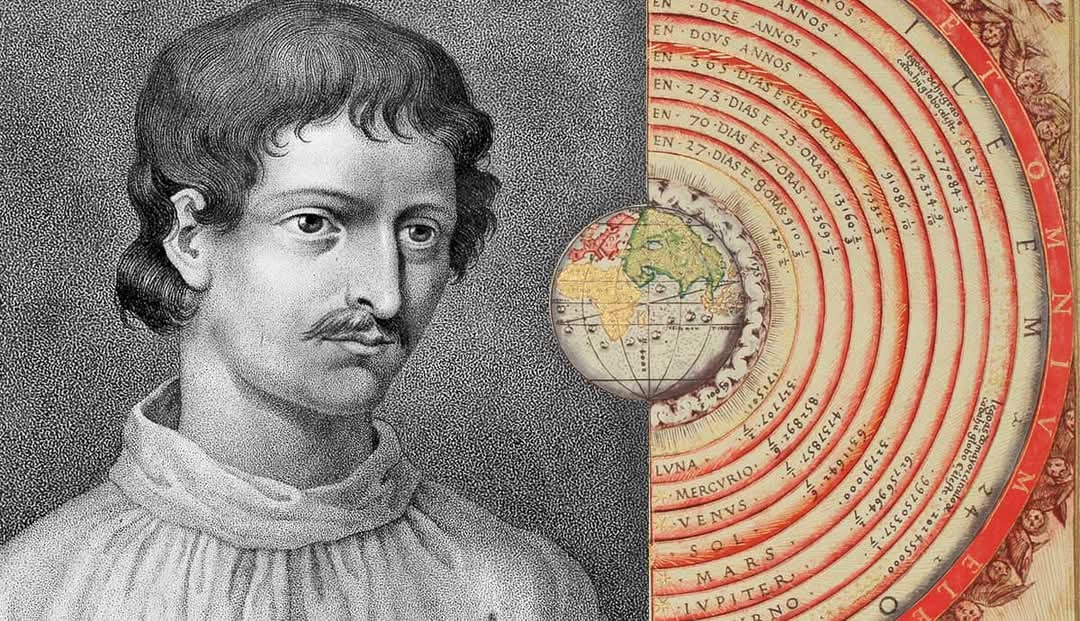
ધર્મનો આતંક તો જૂઓ : પૃથ્વી ગોળ છે, તેમ કહેનાર વૈજ્ઞાનિક ગેલિલીયોને આખી જિંદગી જેલમાં રહેવું પડ્યું હતું ! બ્રૂનો Giordano Bruno (1548-1600)એ કહ્યું કે ‘પૃથ્વી અંતરિક્ષનું કેન્દ્ર નથી, પૃથ્વી સપાટ નથી. પૃથ્વી એક ગ્રહ છે, સૂર્ય તારો છે.’ આ વાત ધર્મ વિરુદ્ધ હતી એટલે ચર્ચે બ્રૂનો પર કેસ ચલાવ્યો. સજા મળી મૃત્યુદંડ ! બ્રૂનોને રોમના ચાર રસ્તા પર ઊભો રાખી ભીડ સામે જીવતો સળગાવ્યો ! એ સમયે ચર્ચે ઘંટારવ કરાવ્યો જેથી બ્રૂનોની ચીસો કોઈ સાંભળે નહીં !rs

લેખક :- રમેશ સવાણી, નીવૃત્ત IPS અધીકારી

(સ્રોત : ) Fb Post

All Universities of Gujarat


All Universities of Gujarat 

State Government Universities
Central Government Universities
Private Aided Universities
Private Universities
Institute of National Importance

  • Top University. Gujarat

1 Gujarat Technological University Ahmedabad

2 Indian Institute of Technology Gandhinagar Chandkheda

3 National Institute of Design Ahmedabad …

4 The Maharaja Sayajirao University of Baroda Vadodara

5 Gujarat University Ahmedabad

6 Ahmedabad University Ahmedabad

7 Nirma University Ahmedabad

8 Saurashtra University Rajkot

9 CEPT University Ahmedabad

10 Veer Narmad South Gujarat University Surat

11 Sardar Vallabhbhai National Institute of Technology, Surat Surat

12 Dhirubhai Ambani Institute of Information and Communication Technology Gandhinagar

13 Parul University Waghodia

14 Hemchandracharya North Gujarat University Patan

15 Maharaja Krishnakumarsinhji Bhavnagar University Bhavnagar

16 Gujarat National Law University Gandhinagar

17 Sardar Patel University Vallabh Vidyanagar

18 Pandit Deendayal Petroleum University Gandhinagar

19 Ganpat University


State Government

No. University Place
1 Gujarat University Ahmedabad
2 Sardar Patel University Vallabh Vidyanagar
3 Veer Narmad South Gujarat University Surat
4 The Maharaja Sayajirao University (M.S.University) Baroda
5 Saurashtra University Rajkot
6 Bhavnagar University Bhavnagar
7 Hemchandracharya North Gujarat University (NGU) Patan
8 Krantiguru Shyamji Krishna Verma Kachchh University Kachchh
9 Dr. Babasaheb Ambedkar Open University (BAOU) Ahmedabad
10 Shree Somnath Sanskrit University Veraval
11 Children’s University Gujarat Gandhinagar
12 Gujarat Forensic Sciences University (GFSU) Gandhinagar
13 Raksha Shakti University Ahmedabad
14 Kamdhenu University Gandhinagar
15 The Indian Institute of Teacher Education
16 Gujarat Technological University Ahmedabad
17 Gujarat Ayurved University Jamnagar
18 Institute of Infrastructure Technology Research And Management Ahmedabad

Agricultural University

19 Anand Agricultural University Anand
20 Navsari Agricultural University Navsari
21 Sardarkrushinagar Dantiwada Agricultural University Dantiwada
22 Junagadh Agricultural University Junagadh

Central Government

No. University Place
1 Gujarat Vidyapith Ahmedabad
2 Central University of Gujarat (CUG) Gandhinagar
3 Sumandeep Vidyapith (Deemed University) Vadodara

Private Aided

No. University Place
1 Dharamsinh Desai University (DDIT) Nadiad
2 Centre for Environmental Planning and Technology (CEPT University) Ahmedabad

Private

No. University Place
1 Nirama University (NU) Ahmedabad
2 Ganpat University Mehsana
3 Dhirubhai Ambani Institute of Information
and Communication Technology (DA-IICT)
Gandhinagar
4 Pandit Deendayal Petroleum University (PDPU) Gandhinagar
5 Kadi Sarva Vishwavidyalaya Gandhinagar
6 Calorx Teachers’ University Ahmedabad
7 Charotar University of Science & Technology Anand
8 Navrachana University Vadodara
9 Amadavad University Ahmedabad
10 Auro University of Hospitality and Management. Surat
11 Uka Tarsadia University Bardoli
12 R.K.University Rajkot
13 Institute of Advanced Research Gandhinagar
14 Lakulish Yoga University Ahmedabad
15 Team Lease Skills University Vadoadara
16 C.U.Shah Unviersity Wadhwan City Surendranagar
17 ITM Vocational University-Waghodia Vadoadara
18 Indus University Ahmedabad
19 Rai University Ahmedabad
20 ITM Vocational University Vadodara
21 GSFC University Vadodara
22 GLS University  

Ahmedabad


23 Parul University Vadodara
24 Sankalchand Patel University Visnagar
25 Marwadi University Rajkot
26 Plastindia International University Vapi
27 Anant National University Ahmedabad
28 Swarnim Startup and Innovation University  

Gandhinagar


29 P.P.Savani University  

Surat


30 Indrashil University Ahmedabad
31 Karnavati University Gandhinagar
32 Gujarat Maritime University Gandhinagar

Institute of National Importance

No. University Place
1 Indian Institute of Management, Ahmedabad(IIM-A) Ahmedabad
2 Indian Institute of Technology (IIT) Gandhinagar
3 Sardar Vallabhbhai National Institute of Technology ,Surat (SVNIT) Surat
4 National Institute of Design ,Ahmedabad (NID) Ahmedabad
5 Physical Research Laboratory (PRL) Ahmedabad
6 Entrepreneurship Development Institute of India Gandhinagar


Gujarat University Key points

Gujarat University was ranked 44th among the Top 100 Universities in India by NIRF in 2021.

Gujarat University offers undergraduate, postgraduate, PhD and diploma courses in various fields.

Admission into BDS, MBBS, M.Tech, MBA are done through NEET, GATE and CAT entrance exam.

The unique point of Gujarat University is the “study abroad program”. Every year since 2007, the program invites students from around the world to learn about Indian culture, tourism, language, journalism, and more.

The Gujarat University is a public state university located in Ahmedabad, Gujarat, India. The university is an affiliating university at the undergraduate level and a teaching university at the postgraduate level.

Its prime motto is ‘Excellence in action is yoga. “

The emblem of the University represents the cultural heritage of Gujarat and the characteristics and aspirations of the people.

It is an affiliating university at the undergraduate level and a teaching one at the postgraduate level. Close to 300,000 students study at university in the courses, faculties, and affiliated institutes. The university caters to external as well as enrolled students. Affiliates include 285 colleges, 35 approved institutions, and 20 recognized institutions, as of 2014.

Gujarat University Ranks 1st in Gujarat and 26th in India for the Category: “Public State Universities” under the prestigious Outlook-ICare India University Ranking 2019.

The campus of the university, located in the Navrangpura area of Ahmedabad, is spread over 300 acres (1.2 km2). Affiliated colleges and institutes are spread across the Ahmedabad, Gandhinagar, and Kheda districts (excluding the limits of Vallabh Vidyanagar in Anand Taluka and the area with a radius of 5 miles from the office of Sardar Patel University).

It was established on 23rd November 1949, with the Government of Gujarat being the Chancellor and Prof. Himanshu Pandya as the Vice-Chancellor.

In March 2012, the university started a campus radio service named GURU on 90.8 MHz, which was the first kind of it in the state of Gujarat and the fifth in India.


Gujarat University Rankings
  • Gujarat University has successfully achieved First rank (5 Star) in the Gujarat State for the second consecutive year from Institutional Rating Framework (GSIRF) for the academic year 2020-21.
  • Gujarat University Ranks 1st in Gujarat and 26th in India for the Category: “Public State Universities” under the prestigious Outlook-ICARE India University Rankings 2021
  • The National Institutional Ranking Framework (NIRF) ranked Gujarat University 60th overall in India and 44th among universities in 2020
  • The National Institutional Ranking Framework (NIRF) ranked Gujarat University 62th overall in India and 43rd among universities in 2021.
  • Recipient of the President’s national award for the National Social Service Scheme in December 2017.
Gujarat University Notable Alumni
  • Narendra Modi: Prime Minister of India
  • Shri Amit Shah: Home Minister of India
  • Pranav Mistry: Indian computer scientist and inventor
  • Hasmukh Adhia: IAS, Revenue Secretary of India
  • Pankaj Patel: CEO of Cadila
  • Gautam Adani: Chairman of Adani Group
  • Praful Bhavsar: Director of Space Applications Center, ISRO


upsc exam pattern And syllabus

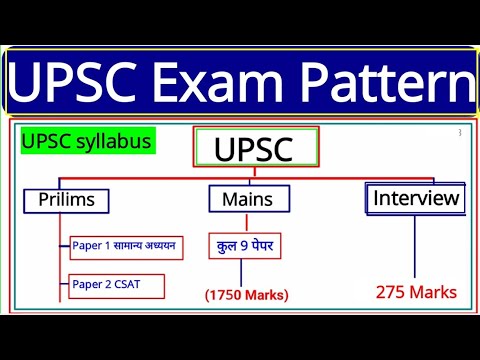
UPSC (Union Public Service Commission) exam pattern consists of three stages: the Preliminary Examination, the Main Examination, and the Personality Test (Interview). Please note that the UPSC may have made changes to the exam pattern since then, so it’s always a good idea to check the official UPSC website for the most up-to-date information.

1. Preliminary Examination:


  • The Preliminary Examination is the first stage of the UPSC exam.

  • It consists of two objective-type papers: General Studies Paper I and General Studies Paper II (CSAT).

  • General Studies Paper I covers subjects like History, Geography, Polity, Economy, Science and Technology, Environment, and Current Affairs.

  • General Studies Paper II (CSAT) tests candidates’ aptitude, comprehension, logical reasoning, and analytical ability.

  • Both papers are conducted on the same day.

  • Each paper carries 200 marks.

  • The General Studies Paper II (CSAT) is qualifying in nature, and candidates need to score a minimum of 33% to qualify for the next stage.

  • The marks obtained in the General Studies Paper I are considered for the selection process.


2. Main Examination:

  • The Main Examination is the second stage of the UPSC exam and consists of written tests.

  • It includes 9 papers, out of which 7 are considered for the final ranking.

  • The papers include Essay, General Studies I, II, III, and IV, Optional Paper I, and Optional Paper II.

  • The optional papers can be chosen by the candidates based on their preference and eligibility.

  • Each paper carries 250 marks, except for the Essay paper, which carries 250 marks.

  • The total marks for the Main Examination sum up to 1750 marks.


3. Personality Test (Interview):

  • Candidates who qualify in the Main Examination are called for the Personality Test, also known as the Interview.

  • The Personality Test carries 275 marks.

  • It assesses candidates’ intellectual abilities, social traits, and their overall personality.

  • The final merit list is prepared based on the candidates’ performance in the Main Examination and the Personality Test.

It’s important to note that the UPSC exam pattern may change over time, and the commission has the authority to modify the pattern as required. It’s advisable to refer to the official UPSC website or notification for the latest and most accurate information regarding the exam pattern and syllabus.


Guide to the UPSC Civil Services Exam: Syllabus,

The Union Public Service Commission (UPSC) Civil Services Examination in India is a highly esteemed exam designed to select candidates for the Indian Administrative Service (IAS), Indian Foreign Service (IFS), Indian Police Service (IPS), and other central services. The examination is known for its rigorous and comprehensive syllabus, which is divided into three stages: Preliminary, Main, and the Personality Test (Interview).


Preliminary Examination


The Preliminary stage is the first hurdle and consists of two objective-type papers (multiple choice questions), serving as a screening test.


1.General Studies (GS) Paper I (200 marks) : This paper tests a candidate’s knowledge in current affairs, history, geography, political science, economics, environmental ecology, and general science. Topics range from current events of national and international importance to economic and social development, biodiversity, climate change, and general science.


2.Civil Services Aptitude Test (CSAT) Paper II (200 marks) : This paper is designed to assess a candidate’s analytical skills, reasoning ability, decision-making skills, problem-solving, basic numeracy, and data interpretation skills. Although this is a qualifying paper, candidates must secure a minimum qualifying mark.


Main Examination


Candidates who clear the Preliminary exam are eligible for the Main exam, which is subjective and consists of nine papers. However, only seven of these are counted for the final ranking.


1.Qualifying Papers :

  • Paper-A (Indian Language)**: Candidates can choose one of the languages listed in the Eighth Schedule of the Indian Constitution.

  • Paper-B (English)**: This paper tests the candidates’ comprehension and language skills.


2.Papers to be Counted for Merit:

  • Paper-I (Essay): Candidates need to write essays on multiple topics.

  • Papers-II to V (General Studies): These papers cover a wide array of subjects including history, geography, polity, social justice, international relations, technology, economic development, biodiversity, environment, security, disaster management, ethics, integrity, and aptitude.

  • Papers-VI and VII (Optional Subjects) : Candidates have to choose one optional subject from the list provided by UPSC, and there are two papers on this subject.


 Interview (Personality Test)


The final stage is the Interview or Personality Test, carrying 275 marks. It assesses the candidate’s mental calibre, social traits, interest in current affairs, and overall personality. This stage is crucial as it evaluates not just the intellectual qualities but also the social traits and interest in current affairs.


Key Points to Remember
  • The UPSC exam requires an in-depth understanding of various subjects, analytical skills, and a coherent thought process.

  • It’s not just about memorizing facts but understanding issues and having a perspective on them.

  • Regular reading of newspapers, standard textbooks, and practice of writing answers is essential.

  • The syllabus is vast, so it’s important for aspirants to have a structured study plan and focus on revision.

  • The UPSC syllabus and pattern might change, so staying updated with the latest notifications from the UPSC website is important.

Union Public Service Commission

https://upsc.gov.in

In summary, the UPSC exam is a challenging but rewarding process, designed to select candidates with a broad knowledge base, strong analytical skills, and a well-rounded personality. Aspirants need to be diligent, focused, and updated with current affairs to succeed in this examination.

what after 12th

List of All Professional Courses After 12th In All Streams
With the aim of early professional education and career advancement, many students today are taking up professional courses right after completion of their school education. However, with the vast enormity of alternatives to choose from, students can get confused about which course to choose and which one to develop a career in.
For your ease of choosing, here we have mentioned a streamwise list of most sought professional courses after class 12th. Read more to explore the top professional courses in India

Types of Professional Courses After 12th

Professional courses after the 12th can be offered to students in the following common formats:
  • Degree Courses: These are full-time courses in the professional domain that provide students with comprehensive knowledge as well as training for a career in the domain. These are the most valued type of professional courses and are most preferred for starting and developing a career in the field of interest.
  • Diploma Courses: Diploma courses are shorter than degree courses, but are a popular option among students after completion of class 12th education, as these help students to develop the necessary skills and prerequisites for the professional field in a shorter duration.
  • Certification Programmes: Certification programmes are short- term courses that are designed to enable students to gain basic knowledge and training in the domain. However, certificate courses are more beneficial for skill development in a domain rather than starting a career, as it is tougher to establish one’s career in a domain solely based on a certification course.
  • Training Courses: these are more practically-oriented courses that are designed to train the student in specific skills needed for a professional field. These are for students who want to develop their professional skills or upskill themselves in a specific domain.